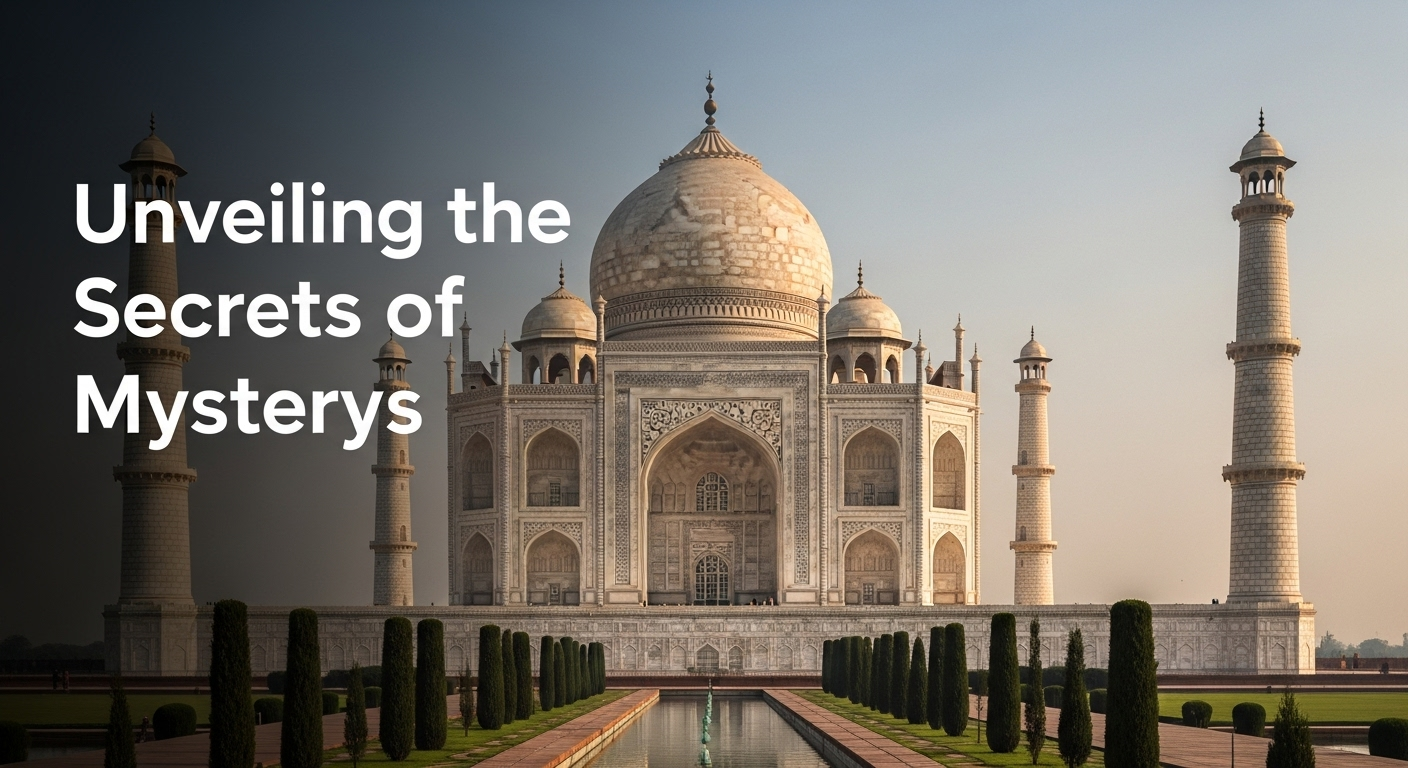
Did you know the Taj Mahal started being built in 1632? It took more than 20 years to finish. This beautiful building is made of white marble. It was built to remember Emperor Shah Jahan’s wife, Mumtaz Mahal. The Taj Mahal shows the strong love and great art from that time.
This article talks about the Taj Mahal’s history and beauty. You will learn about its design, how it was built, and why it’s important. This UNESCO World Heritage Site tells a special story of culture.
Key Takeaways
- The Taj Mahal was constructed over a period of more than 20 years, highlighting the dedication and skill of the artisans involved.
- It represents a blend of various architectural styles, reflecting the richness of Mughal architecture with Persian and Timurid influences.
- The intricate designs of the Taj Mahal are not only visually stunning but also incorporate advanced engineering techniques.
- As a UNESCO World Heritage Site, the Taj Mahal serves as a symbol of India’s cultural and historical richness.
- Visitors can study the interplay of light and shadow created through the specialized jali work that adorns the structure.
- The complex houses hidden gems that showcase the artistic heritage of the Mughal era, waiting to be appreciated by travelers.
- Continued preservation efforts aim to protect this iconic monument from the ravages of time and pollution.
Introduction to the Taj Mahal
The Taj Mahal is in Agra, India. It’s a masterpiece that shows love lasts forever. Mughal Emperor Shah Jahan built it in the 1630s for his wife, Mumtaz Mahal. This beautiful building has detailed art and great craftsmanship. Its white marble looks amazing in the sunlight. Every year, millions of visitors come to see its beauty.
The Taj Mahal is a famous cultural icon. It shows India’s long history and skill in building. It’s about the Mughal era’s wealth and also about love and longing. People from everywhere go to Agra to see this amazing place. They come because of its love story and the peace it brings.
The Taj Mahal is more than just pretty. It’s where people think about history together. This brings them closer to the past. Nowadays, it still inspires artists, poets, and those in love. It remains a precious part of India’s culture.
The Historical Context of the Taj Mahal
The Taj Mahal is a symbol of the Mughal Empire’s beauty. It was made by Shah Jahan for his wife, Mumtaz Mahal. They started building it in 1632, and it took 21 years. It shows us the beauty of Mughal design. The Taj Mahal also tells a story of love and sadness. It honors Mumtaz Mahal, who died having their baby.
When it was built, Shah Jahan led a big empire. His time was full of success and wealth. The Taj Mahal’s history is mixed with that era’s culture and politics. With the empire doing well, art and building were important. That’s why this beautiful monument was made. It has styles from Persia, Islam, and India.
About 20,000 artists and workers helped make the Taj Mahal. Their work shows Shah Jahan’s love and the empire’s power. The beauty of this place tells a story of love during big changes. It reminds us of the Mughal Empire’s big impact.
Architecture: A Marvel of Islamic Design
The Taj Mahal is a masterpiece of Islamic architecture. It’s in Agra, India. This beautiful building is known for its amazing symmetry and detailed decorations. It was built in the 1630s during Shah Jahan’s time. Its big dome is very impressive.
The Taj Mahal looks magical with its white marble that shines in the sun. This marble has beautiful precious stones in it. Artists worked for about 22 years to make it. There is a big garden, water, and paths around it which make it even more beautiful.
Mughal design is seen in the Taj Mahal’s:
- Grand entrance gates with detailed carvings.
- Four tall minarets that make the dome look even better.
- Beautiful pools that reflect the building.
The Taj Mahal’s design is very special. It shows love and beauty through its structure. This makes the Taj Mahal an important place in Islamic architecture’s history.
| Feature | Description |
|---|---|
| Location | Agra, India |
| Construction Duration | Approx. 22 years |
| Workforce | Around 20,000 workers |
| Architectural Style | Islamic architecture with Mughal design |
| Main Material | White marble inlaid with precious stones |
| Significance | Mausoleum for Mumtaz Mahal |
Secrets of Taj Mahal
The Taj Mahal is not just a beautiful building. It’s full of secrets and symbolism. People have many theories about how it was built. It’s a mix of stunning art and smart engineering by many skilled people.
Theories Behind Its Construction Techniques
Experts have many ideas about the Taj Mahal’s special building methods. Some key ideas include:
- Using fancy scaffolding for the detailed designs.
- Using precise tools for perfect symmetry and alignment.
- Choosing top-notch local materials for looks and strength.
- Bringing together a big team of talented workers from different places.
Use of Symbolism in the Structure
The Taj Mahal shares deep stories about love and forever through its design. Some main symbols are:
- The gardens stand for paradise, like the Islamic idea of life after death.
- The big dome represents the sky, connecting the earth to the divine.
- Reflective water features make the place more beautiful and talk about endless love.
These symbols show the deep meanings hidden in the Taj Mahal. It’s more than a tomb. Its secrets are found in its building and the feelings it shows. This great building still amazes visitors and experts today. It helps us understand the past and the important meanings in its design.
The Mysteries Surrounding Its Original Purpose
The Taj Mahal, located in Agra, India, is famous as a tomb. It was built by Mughal emperor Shah Jahan for his wife, Mumtaz Mahal. But, people wonder if it was made for other reasons too. These Taj Mahal mysteries explore if it had different uses over time.
Some think the Taj Mahal was more than a tomb. It might have been a temple or a bigger tomb for Shah Jahan himself. The building’s big size and detailed work make people curious. It took 22 years and 20,000 workers to build it. People wonder why it’s so grand.
To truly understand the Taj Mahal, we must look at its art and culture. Mumtaz Mahal’s tomb is in the center. It’s surrounded by gardens, water, and more buildings. Each part adds to its story. More research could tell us even more about this famous place.
| Theories About the Taj Mahal’s Original Purpose | Description |
|---|---|
| Mausoleum for Mumtaz Mahal | The widely accepted view that the Taj Mahal was constructed as a tomb for the emperor’s wife. |
| Temple | Some researchers theorize it may also serve religious or spiritual functions, indicating a need for a temple-like aspect. |
| Complex for Shah Jahan | Another hypothesis suggests that the complex might have been intended as a final resting place for Shah Jahan as well. |
| Political Symbol | The construction itself may represent a political statement, showcasing Shah Jahan’s power and wealth. |
Hidden Gems Within the Taj Mahal Complex
The Taj Mahal complex is full of secrets to find. Look around to see the beautiful gardens. They provide a peaceful place to think and enjoy the famous mausoleum.
At the heart of it all, you’ll see a lovely reflection pool. It gives a special view of the Taj Mahal’s design. This makes your visit even more beautiful and lets you take amazing photos.
There are also small tombs all over the Taj Mahal complex. Each one offers a peek into Mughal life and art. They are decorated with stunning writing in many languages.
Guided tours share stories of the people who built this great place. These hidden spots make your visit to the Taj Mahal much better.

If you’re looking to learn more about the Taj Mahal, check out these valuable travel tips. Finding the quiet spots helps you have special moments. It connects you with the area’s deep history and art.
| Hidden Gems | Description |
|---|---|
| Gardens | Meticulously landscaped spaces offering tranquility and beauty. |
| Reflection Pool | Creates stunning reflections of the Taj Mahal, perfect for photography. |
| Smaller Tombs | Provide insights into Mughal culture and showcase intricate artistry. |
| Calligraphy | Exquisite inscriptions that highlight the craftsmanship of the era. |
The Role of the Taj Mahal in Indian Culture
The Taj Mahal is very important to many people. It represents Indian culture. Shah Jahan built it out of love for his wife, Mumtaz Mahal. This iconic building shows love and beauty. It is more than just a place to visit. It shows the skill and values of the Mughal era.
The Taj Mahal inspires many poets, artists, and filmmakers. They use it to express feelings of love and loss. It shows up in literature and art often. This shows how it keeps affecting Indian culture. It is truly a national treasure.
The Taj Mahal is also a star in many festivals and events. These celebrations highlight its historical and modern importance. It brings people together, proud of India’s culture.
Visitors help the local area while enjoying its history. The Taj Mahal reminds us of the strong emotions in Indian culture. It will be important for many more years.
Preservation Efforts for a UNESCO World Heritage Site
The Taj Mahal, a UNESCO World Heritage Site since 1983, faces many challenges. Ongoing efforts are needed to keep its beauty and structure safe. These efforts help protect it from harm caused by the environment.
Pollution in Agra is a big problem for the Taj Mahal. To help, strategies are in place to better the air and reduce damage. Restoration projects are also carried out. They focus on cleaning the marble and stopping it from getting weak.
Educating people is key to preserving this famous monument. Campaigns teach both visitors and locals how to protect the site. Everyone learns about the significance of keeping the Taj Mahal safe.
| Preservation Efforts | Description | Impact |
|---|---|---|
| Pollution Control | Measures taken to reduce air pollution around the site. | Helps maintain marble’s color and composition. |
| Restoration Projects | Regular cleaning and repairing of structural elements. | Preserves architectural integrity and beauty. |
| Public Awareness Campaigns | Informing the public about the significance of the Taj Mahal. | Encourages responsible tourism and local stewardship. |

Tourist Experiences: A Must-Visit Monument
The Taj Mahal draws millions of tourists each year. Its stunning architecture and rich history create unforgettable experiences. Visitors from all over the world come to see its beauty and learn its story of love and loss.
Tourists at the Taj Mahal enjoy many activities. They take guided tours to learn about its history and design. Taking photos is also popular, capturing its beauty at sunrise or sunset.
Guests explore local culture too. They see traditional performances and try local foods. The peaceful gardens offer a place for calm and reflection, enhancing the visit to this Indian icon.
The Taj Mahal is one of the New Seven Wonders of the World. This makes it a key spot for travelers everywhere. It leaves visitors with deep emotional connections and memories that will last forever.
Impact of Tourism on Taj Mahal’s Preservation
The Taj Mahal is known for its stunning beauty. It attracts millions every year from all over. This boosts Agra’s local economy but also brings up concerns about the Taj Mahal’s care. The big crowds lead to pollution and damage, threatening this UNESCO site.
To keep the Taj Mahal safe, managing tourists is key. Steps include limiting cars and controlling the number of visitors. This is especially true at sunrise and sunset. These times show the monument’s colors best. Rules like these protect it from too much foot traffic and harm from the environment.
The Archaeological Survey of India is also working hard. They focus on keeping the beautiful marble looking good. This marble is at risk from Agra’s pollution. By having good plans for visitors and encouraging careful tourism, everyone hopes to keep the Taj Mahal safe. This lets future visitors see its beauty too.
Conclusion
The Taj Mahal is a stunning work from the Mughal Empire. It’s not just a love symbol. It means much more because of its beautiful design. The details and history within its walls show the skill and feelings of its makers. People from all over the world love it. This love keeps the Taj Mahal’s story alive and inspires many.
By learning about the Taj Mahal, we understand its construction and symbols better. This helps us value cultural history more. It also shows us why we must keep it safe. We want future generations to learn from the Taj Mahal too.
The Taj Mahal shows what humans can create. It connects us through our search for beauty in love and art. Its story and importance will last for many years. So, it’s a place everyone should see. It lets us feel the deep emotions and artistry of this famous building.
FAQ
What is the significance of the Taj Mahal?
The Taj Mahal is a UNESCO World Heritage Site. It is known for its stunning architecture and deep history. It represents love and devotion, marking a key part of India’s culture.
Who commissioned the construction of the Taj Mahal?
Emperor Shah Jahan built the Taj Mahal in memory of Mumtaz Mahal. She was his wife and died giving birth.
How long did it take to build the Taj Mahal?
The building of the Taj Mahal started in 1632. It was mostly done by 1653. In all, it took about 21 years.
What architectural styles are represented in the Taj Mahal?
The Taj Mahal shows Persian, Islamic, and Indian design styles. It shows the best of Mughal architecture.
What materials were used in the construction of the Taj Mahal?
White marble was mainly used for the Taj Mahal. It is inlaid with precious stones. This shows the skill of artisans back then.
Are there any mysteries surrounding the Taj Mahal?
Yes, there are many theories about its building methods and original purposes. These mysteries keep the Taj Mahal interesting.
What hidden gems can visitors explore in the Taj Mahal complex?
Inside, there are lovely gardens and a reflection pool. You’ll also find smaller tombs and beautiful writings and drawings that make it special.
How does the Taj Mahal impact Indian culture?
The Taj Mahal symbolizes love and creativity from the Mughal era. It is often seen in books and arts. This makes it a cultural icon in India.
What preservation efforts are in place for the Taj Mahal?
Efforts to preserve the Taj Mahal include controlling pollution and restoring it. There are also campaigns to keep its beauty and design safe.
What tourist experiences are available at the Taj Mahal?
People can take guided tours, capture photos, and learn about its culture. These activities help them connect more with its importance.
How does tourism affect the Taj Mahal’s preservation?
Tourism helps the local money situation but worries people about its effect on nature and the building. There are plans to control visitors to lower these concerns.