Did you know Mount Kailash is important in four major religions, including Jainism? This shows how spiritual sacred peaks can be. Likewise, Shikharji in Jharkhand is a special Jharkhand sacred site for a lot of Jain pilgrims. They go on the Shikharji pilgrimage to find enlightenment.
On this journey, they hike to Mount Parasnath, Jharkhand’s highest peak. They also explore spirituality in nature and tradition. This trek is an adventure and a spiritual quest. It attracts people who love nature and those looking for spiritual insight.
Key Takeaways
- Shikharji is a significant pilgrimage site in Jainism, attracting thousands annually.
- The trek is set against the stunning backdrop of Mount Parasnath.
- This journey emphasizes the union of natural beauty and spiritual richness.
- Shikharji serves as a vital pilgrimage route that highlights cultural traditions.
- It offers opportunities for both spiritual growth and physical challenge.
Introduction to Shikharji
Shikharji is also known as Sammed Shikhar. It’s a top pilgrimage spot for people following Jainism. Every year, thousands come here seeking spiritual growth and peace. They find beauty in nature and the path to enlightenment.
Shikharji sits on the grand Parasnath Hill. The area is full of green and peaceful views. This journey is not just a trek but a step closer to understanding Jainism.
Historical Significance of Shikharji
Shikharji is a special place for people who follow Jainism. It has a long history that makes it important for pilgrims today. Jains have been coming here since the 6th century B.C. That’s when Jainism started.
This place is special because it helps people feel closer to their faith. Many come to Shikharji to find peace and spiritual growth.
Jain Tirth and Its Origins
A ‘Jain Tirth’ is a holy place for Jains. Shikharji is very important in Jain religion. It is linked to the history and beliefs of Jain saints.
People believe these mountains are holy. Important events in Jainism are celebrated here. They remind followers of their religion’s teachings.
Connection to Jain Tirthankaras
Shikharji is important because many Jain leaders found enlightenment here. Lord Mahavir is one of the most famous leaders linked to this place.
Pilgrims feel a strong bond with the holy people from the past. They come here for a special experience. It helps them grow spiritually.
| Significant Events | Details |
|---|---|
| Introduction of Jainism | 6th Century B.C. by Rishab Dev |
| Major Jain Communities | Digambar and Svetambar |
| Jain Calendar Months | Kartak, Magsar, Posh, Maha, Phagan, Chaitra, Vaishakh, Jeth, Ashadh, Shravan, Bhadarvo, Aso |
| Mean Days Per Month | 30 days |
| Mahavir Jayanti | 14th Tirthankar, born in 599 BC |
| Oli Aarambh | Celebrated twice a year for nine days each |
| Kartik Rath Yatra | Celebrated during the Kartik month |
| Ownership of Shikharji Hills | Purchased by Jains in 1918, taken over by Bihar in 1953 |
| Legal Battle Duration | Over six decades, reaching Supreme Court in 2005 |
| Notable Pilgrim | Darshanaben Shah, aged 74, engaged in spiritual practices |
The Unique Landscape of Mount Parasnath
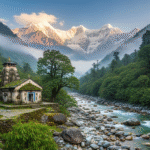
Mount Parasnath is a place of natural beauty. It has a landscape that enchants visitors all year. The greenery, diverse plants, and wide views make it special.
Walking its nature trails shows beautiful sights. You’ll see colorful flowers and tall trees. This shows the area’s rich variety of life.
The nature here shapes spiritual journeys for those climbing the mountain. It offers peace, making it a space for deep thought and connecting with nature. The special air of Mount Parasnath pulls travelers into its peaceful environment. This makes the pilgrimage even better.
Hiking the trails, trekkers see amazing rock shapes and beautiful views. Great for taking photos. Each path has its own story of the land. It creates a memorable walk through this natural beauty. The way light plays with shadows adds to Mount Parasnath’s charm.
| Aspect | Details |
|---|---|
| Unique Features | Lush greenery, diverse flora, panoramic views |
| Biodiversity | Rich variety of plant and animal species |
| Spiritual Impact | Enhanced sense of peace and introspection |
| Photography | Stunning rock formations and unique landscapes |
| Best Trekking Time | October to March for ideal weather conditions |
Secrets of Shikharji
The pilgrimage at Shikharji has deep cultural significance and spirituality in Jainism. Devotees do special rituals here, filled with tradition. This makes their faith strong. Festivals bring people together, creating a strong sense of community. This journey connects visitors with Jainism’s history and beliefs.
Cultural and Spiritual Importance
Spirituality in Jainism shows through many rituals. Devotees honor the Tirthankaras, focusing on purification. This is key to their spiritual journey:
- Yearly festivals draw crowds
- Songs for Vijayprasthan Diksha enhance the mood
- Tributes to Gachchadhipati Yugbhushansuriji Maharaja
There are 20 tracks celebrating Shikharji, adding musical depth. A standout track is about the Prabhavana of Jinvachan. It shows how art and faith mix on this sacred path.
Jain Temples Along the Trek
The journey to Shikharji showcases stunning Jain temples. Each one is unique in design and history. They are places for prayer and learning. Key features of the temples include:
| Temple Name | Architectural Style | Historical Significance |
|---|---|---|
| Shikharji Temple | Dravidian | Main shrine for Tirthankara Parshvanatha |
| Sammed Shikharji | Gupta Influence | Focuses on ascetic life |
| Choodamani Temple | Marble Carvings | Old teachings of Jainism are written here |
Each temple is an architectural wonder and a light of Jain thought. They draw pilgrims and thinkers who want to connect spiritually. The stories in their walls add to the journey.
Planning Your Pilgrimage
Going on a pilgrimage to Shikharji needs careful planning. This planning will make the journey more spiritual. Think about the Shikharji climatic conditions and how people travel there. Knowing the best time to visit will help you get ready for the trip.
Best Time to Visit Shikharji
The best time to visit Shikharji is between October and March. The weather is nice then, making the hike comfortable. But remember, summers are very hot and monsoons bring a lot of rain. Visiting during festivals makes the trip even more special.
How to Reach Shikharji
There are different ways to get to Shikharji. Each one suits different travelers. You can get there by road or rail, from cities close by. Here are the main ways to go:
| Method | Details | Accessibility |
|---|---|---|
| Train | Nearest railway station is at Parasnath, approximately 34 km from Shikharji. | Accessible via local taxis or buses. |
| Bus | Buses come from big cities like Ranchi and Dhanbad right to Shikharji. | Direct routes make it easier for pilgrims. |
| Private Car | Driving from nearby towns gives you more freedom. | There are signs to help you find Shikharji. |
| Auto-Rickshaw | Good for short trips from where you’re staying. | They’re easy to find and not expensive. |
Think about these transportation options and the best time to visit. This way, you can have a peaceful trip. Then, you can think more about the spiritual parts of going to Shikharji.
Shikharji Travel Tips
Getting ready for the Shikharji trek means knowing a few important things. Here are top travel tips for a great trip:
- Packing Essentials: Wear comfy trekking shoes and bring a strong backpack, water bottles, and clothes for any weather. These help you feel comfortable on your trek.
- Health Precautions: Bring a first-aid kit and snacks that give you lots of energy. Drink plenty of water to stay well.
- Safety Recommendations: It’s safer to hike in groups. Know the trail maps to find your way. Remember to follow the area’s rules because it’s a sacred place.
- Understanding Local Customs: Learn about the pilgrimage to understand its cultural value. Joining in local customs makes your trip more meaningful.
Talking to local guides can give you special insights. They know a lot about the place. Taking tips from people who have done the trek helps newbies. To keep away from big crowds, pick the best times to go. This makes your journey peaceful.

Experiencing Spirituality on the Trek
The journey to Shikharji is a deep spiritual adventure. It goes beyond just walking or hiking. In this ancient Jain practice setting, pilgrims connect deeply with their faith. The serene landscapes help one reflect and grow personally. This makes it a special place for spiritual connection.
Ritual Practices During the Pilgrimage
In Shikharji, rituals enhance the pilgrimage experience. Meditation helps pilgrims calm their minds and reflect deeply. Praying at the tonks, or shrines, lets them seek blessings. It also brings pilgrims together, building a community.
The pilgrimage includes key Jain rituals. These practices highlight Jain teachings. They include:
- Performing Puja at holy sites, focusing on gratitude and devotion.
- Being silent (Mauna) during parts of the walk, which encourages mindfulness.
- Reciting sacred Jain scriptures to connect with spiritual lessons.
These rituals offer a deep spiritual experience. They have been meaningful for generations. To learn more about Jain sacred sites, visit Jain pilgrimage places in India.
The Flora and Fauna of Shikharji
Shikharji is known for its amazing plants and animals. It has a unique environment that helps many living things survive. Many plants, including ones that heal, grow here. They help the animals and are important to the Jain community too.
Many birds live here, making the place full of life. These birds, with other animals, keep Shikharji’s nature healthy. They all live together well, making a happy home for everyone.

We need to keep this place safe for those coming after us. Protecting it from harm helps save the many plants and animals. By taking care of it, visitors help keep Shikharji beautiful and alive for everyone.
Local Cuisine to Try
Visitors to Shikharji will love the local flavors. These flavors show the region’s Jain ways. The food is all vegetarian, respecting Jainism’s rules. You’ll enjoy different local dishes. They are tasty and make you think about what you eat.
- Daal Baati Churma – A hearty dish combining lentils, baked wheat balls, and sweetened crumbled bread.
- Gatte ki Sabzi – Spiced gram flour dumplings cooked in a tangy yogurt-based sauce.
- Bajra Khichdi – A wholesome mix of millet and lentils, often enjoyed with pickles and yogurt.
- Kadi Pakora – A comforting curry made with gram flour dumplings and besan yogurt gravy.
These dishes show how serious they are about vegetarian food. They use what grows locally. This makes your visit a full experience. It turns the trip into a great story for your senses.
| Dish | Main Ingredients | Serving Suggestions |
|---|---|---|
| Daal Baati Churma | Lentils, wheat flour, ghee, sugar | Served with pickles and sauce |
| Gatte ki Sabzi | Gram flour, yogurt, spices | Accompanied by roti or rice |
| Bajra Khichdi | Millet, lentils, spices | Best enjoyed with curd and chutney |
| Kadi Pakora | Gram flour, yogurt, spices | Served with steamed rice |
Trying these foods adds to your cultural journey. It’s more than a trip; it feeds your body and soul. You’ll value the area’s food love more. You see the importance of each dish.
Conclusion
Trekking to Shikharji is a deep experience. It sparks spiritual thoughts and growth. Visitors walk sacred paths once tread by Tirthankaras. They find beauty and a deeper spiritual understanding. The area’s rich history and Jain temples add to the journey.
Reviews say the Shikharji trek brings peace and enlightenment. It shows how special Shikharji is for those seeking spirituality. Along lush Mount Parasnath trails, visitors think about Jain values like non-violence and truth.
This summary invites future travelers to see Shikharji’s beauty and spirituality. It’s more than its landscapes and temples. Each visit is a chance to connect with Jain traditions and personal growth.
FAQ
What is Shikharji and why is it significant in Jainism?
Shikharji, known as Sammed Shikhar, is very important to Jainists. It’s found on Mount Parasnath, Jharkhand’s tallest peak. This place is where many Tirthankaras became enlightened.
What are the best times to visit Shikharji?
Visit Shikharji from October to March for good weather. The weather helps with trekking. The rain makes trails slippery and hard to walk on.
How can I reach Shikharji?
You can get to Shikharji by road from big cities like Ranchi and Dhanbad. You can take buses, taxis, or auto-rickshaws. Plan early for an easy trip.
What should I pack for the Shikharji trek?
Take comfortable shoes and water bottles for the trek. Also pack light clothes and a first aid kit. Don’t forget trekking poles and snacks for energy.
What rituals are performed during the Shikharji pilgrimage?
Pilgrims meditate, pray, and make offerings at Jain temples. They do these rituals to feel closer to Jain teachings and the Tirthankaras.
What kind of wildlife can be found around Shikharji?
Shikharji’s area is full of different plants, birds, and animals. This rich nature helps keep the area’s beauty and balance.
Are there vegetarian food options available during the pilgrimage?
Shikharji has many vegetarian dishes because of Jain beliefs. You can try local foods that show the area’s cooking traditions.