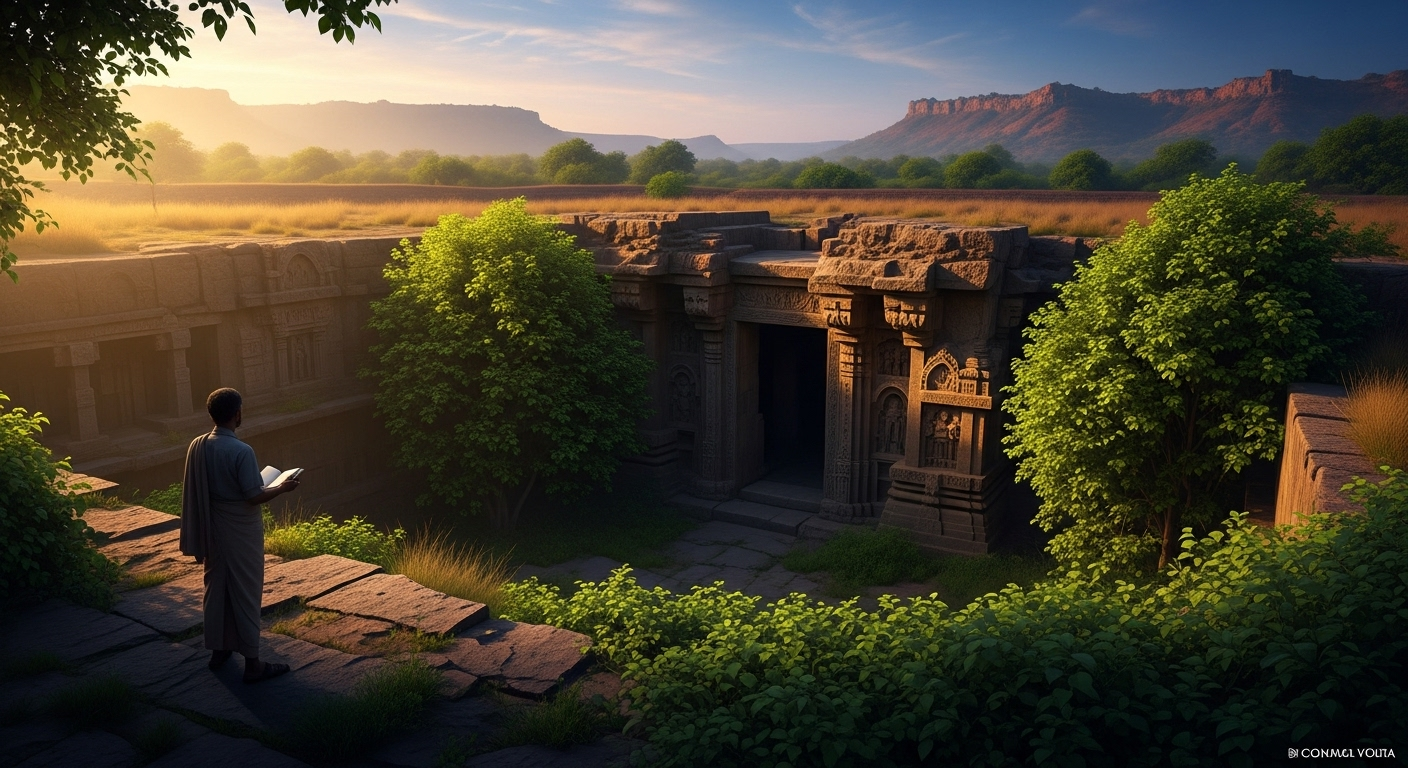
Did you know Aurangabad is known for unique buildings? Yet, many don’t see its full beauty. This city is full of history and stories not many know about. Its buildings and culture have interesting backgrounds. Aimed at sharing these hidden tales, this piece highlights Aurangabad’s deep heritage.
Key Takeaways
- Aurangabad’s architectural beauty conceals many lesser-known stories.
- Historical influences have greatly shaped its rich cultural tapestry.
- Monuments in Aurangabad serve as silent narrators of its past.
- Community-based storytelling plays a significant role in preserving local legends.
- There are hidden spots and mysteries waiting to be uncovered in Aurangabad.
- Understanding Aurangabad’s heritage enriches the visitor experience.
Introduction to Aurangabad Heritage
Aurangabad is a notable city with a rich Aurangabad history. It’s known for its heritage sites that span centuries. These sites show the city’s art, architecture, and culture. The city is famous for the Ajanta and Ellora Caves. These caves are UNESCO World Heritage Sites, which highlights their importance.
Visitors to Aurangabad find a mix of cultural spots. They tell stories from different times, especially the Mughal era. Monuments like the Bibi Ka Maqbara, called the “Mini Taj Mahal,” display amazing work. The city also mixes religions like Hinduism, Buddhism, and Islam in its history.
The city has grown as a blend of cultures. This mix has helped art and architecture to grow. Aurangabad has a unique identity because of this. Tourists come to see its history. For those wanting to know more about Aurangabad history, exploring its sites is a great idea. These places have many stories to tell.
| Landmark | Significance | Year Established |
|---|---|---|
| Ajanta Caves | Buddhist rock-cut monuments | 2nd century BCE – 6th century CE |
| Ellora Caves | Complex of Hindu, Buddhist, and Jain temples | 5th century – 10th century CE |
| Bibi Ka Maqbara | Mausoleum, a replica of the Taj Mahal | 1660 CE |
| Daulatabad Fort | Strategic fortification with historical significance | 12th century CE |
| Chhatrapati Shivaji Maharaj Museum | Showcases Maratha empire’s history | 20th century |
Historical Significance of Aurangabad
The historical significance of Aurangabad is huge. It was a big center for trade and culture. Started in the 17th century, it grew under the Mughal Emperor Aurangzeb. It became an important place for administration, changing the area’s social and economic look.
Important monuments include the Bibi Ka Maqbara. It shows the beauty of the Taj Mahal. This building is a sign of Mughal building skills. It shows the art and culture of its time. Places like Daulatabad Fort and ancient Ajanta and Ellora caves show the city’s rich history.
To understand Aurangabad’s importance, we must look at its history. It has seen many rulers, from Mughals to the British. Each added to the city’s rich story. The city was important not just locally, but for all of India’s history.
| Period | Key Events | Impact on Aurangabad |
|---|---|---|
| 16th Century | Mughal Empire Expansion | Established as an administrative hub |
| 17th Century | Construction of Bibi Ka Maqbara | Symbol of architectural excellence |
| 18th Century | Rise of Regional Powers | Cultural exchanges fostering diversity |
| 19th Century | British Colonial Era | Shifts in commerce and governance |
This shows how special Aurangabad is. It gives us a peek into India’s rich historical tapestry.
Unknown Stories of Aurangabad
Aurangabad is full of hidden spots not many know about. It’s often missed by those who visit only the famous places. These lesser-known spots tell stories about the city’s past and culture.
They show the city’s history and customs. Visitors find new places with their own unique stories. These stories help us see how people lived and what they believed.
Unearthing Hidden Gems
In Aurangabad, there are places quiet and hidden. They’re off the main tourist path. Here, you might find small temples, villages, and peaceful nature spots.
These places hold the true spirit of Aurangabad’s past. Locals hold these secrets dearly. They show the cultural richness of the area.
Myths and Legends
The city is alive with old stories and myths. These stories are a big part of daily life here.
There are tales of haunted forts and sacred gods. They teach us about the community’s values and beliefs.
These legends tell of past struggles and victories. They connect the land with its people. This makes Aurangabad special.
| Hidden Gems | Unknown Stories | Folklore Significance |
|---|---|---|
| Lingapur Temple | Legends of healing powers | Local deity worship |
| Khuldabad | Tales of historical figures | Association with saints |
| Ajanta + Ellora Caves | Myths surrounding carvings | Spiritual pilgrimage stories |
Mysterious Places in Aurangabad
Aurangabad is home to many mysterious places that spark curiosity. Places like the grand Daulatabad Fort are not just famous for how they look. They are also known for fascinating stories from the past. Standing on a hill, the fort shows off stunning views from above.
The Chhatrapati Shivaji Maharaj Museum is another must-see spot. It blends history and beauty in its Gothic design. The museum brings old stories to life, making visitors feel like they’re part of history. Every part of this museum is filled with secrets ready to explore.

Check out these mysterious places in Aurangabad that will make you wonder:
- Daulatabad Fort – A fortress with tales of valor and mystery.
- Chhatrapati Shivaji Maharaj Museum – A reservoir of hidden heritage through art.
- Ajanta Caves – Ancient rock-cut caves with intricate sculptures and stories.
- Ellora Caves – A UNESCO World Heritage Site, rich with spiritual narratives.
These amazing places make Aurangabad a hidden gem for explorers. Visiting these enigmatic spots lets you peek into history. It also inspires those who love to tell stories about the past.
| Place | Notable Features | Historical Significance |
|---|---|---|
| Daulatabad Fort | Strategic location, stunning architecture | Former capital during the medieval period |
| Chhatrapati Shivaji Maharaj Museum | Gothic style, rich cultural artifacts | Preservation of heritage and history |
| Ajanta Caves | Ancient paintings, sculptures | Insight into Buddhist art and culture |
| Ellora Caves | Rock-cut architecture, diverse religious sites | Importance in Hindu, Buddhist, and Jain traditions |
Untold Tales of Aurangabad’s Monuments
Aurangabad’s monuments are more than just buildings. They hold stories and histories from different times. These landmarks mix influences from various cultures, showing heritage architecture. When we explore Aurangabad, we learn about its past and the skill of its builders.
Understanding Architectural Styles
The Ajanta Caves in Aurangabad are special. They show amazing Buddhist rock-cut architecture from the 2nd century BC. The caves have beautiful frescoes and sculptures. These artworks tell stories from the Jataka stories and Buddhist lessons. The Bibi Ka Maqbara is also stunning, known as the “Taj of the Deccan.” It shows Mughal architectural beauty and is a symbol of love. It mixes Persian and Indian styles perfectly.
Looking at these masterpieces, we see the cultural exchange of their times. We learn about:
- Ajanta Caves: Known for their stunning cave paintings and sculptures.
- Bibi Ka Maqbara: A tribute to the architectural brilliance of the Mughal era.
- Daulatabad Fort: An example of strategic architecture, combining fortification and aesthetics.
These examples show Aurangabad’s variety of architectural styles. They give us insight into the area’s cultural and historical background. The art and architecture in these monuments remind us of the amazing skill of ancient builders.
Secret Spots in Aurangabad
Aurangabad is known for more than just its big monuments and history. It also has secret spots filled with beauty and heritage. These places are quiet and hidden, perfect for those looking to find new treasures away from the crowds.
The area around the Ajanta Caves is one such spot. It has beautiful views and quiet places for thinking. There are also unknown gardens that tell old stories, showing Aurangabad’s rich history.
Those who want to deeply understand Aurangabad’s past will love these spots. Below is a table with some amazing secret places. They will help you feel more connected to the city’s culture.
| Location | Description | Why Visit |
|---|---|---|
| Khadki Village | A charming village with ancient temples and stunning landscapes. | Experience local culture and serenity. |
| Jatwadi Lake | A peaceful lake surrounded by natural beauty, ideal for picnics. | Enjoy tranquility and scenic views. |
| Daulatabad Fort | While famous, the quieter trails leading up offer a secluded experience. | Explore historical pathways with fewer tourists. |
| Ajanta Caves Viewpoint | A lesser-known viewpoint offering stunning vistas of the Ajanta Caves. | Get breathtaking photographs without the crowd. |

Cultural Influences Shaping Aurangabad’s Heritage
Aurangabad’s heritage is like a colorful quilt made of different cultures. Over time, Mughal, Marathi, and local tribal influences have mixed here. Together, they shape the city’s unique culture and identity.
Mughal designs are easy to spot in the city’s buildings. For example, the Bibi Ka Maqbara shows off Mughal style with its detailed carvings and big gardens. On the other hand, Marathi culture adds flavor to local food, creating dishes full of spices. The city’s festivals also show this mix of cultures, with art and traditions that everyone shares.
Looking at Aurangabad’s culture shows how different traditions blend in everyday life. There are markets filled with handmade crafts, temples that are beautifully decorated, and festivals full of music and dance. All these things show off the rich culture and heritage of Aurangabad.
| Cultural Influence | Key Contributions | Examples |
|---|---|---|
| Mughal | Architecture and Gardens | Bibi Ka Maqbara, Panchakki |
| Marathi | Cuisine and Festivals | Puran Poli, Ganesh Chaturthi |
| Tribal | Art and Crafts | Panchdhatu sculptures, local textiles |
Local Legends and Folk Tales
Aurangabad is full of local legends. These legends are part of the community’s culture. They are shared through stories. These stories reflect the people’s values and experiences. They are told over and over, connecting people. This makes everyone feel they belong together.
Influence of Oral Traditions
Oral traditions keep Aurangabad’s legends alive. People share these stories in many ways. They do it through storytelling, cultural events, and gatherings. This helps everyone learn about the area’s past. It also makes people proud of their heritage. Young people learn to love where they come from.
The Role of Communities in Storytelling
Storytelling is important in Aurangabad. It links the past to now. People make sure these stories stay alive. They share tales in different ways. Everyone’s bond gets stronger through these stories. They help the next generation cherish their culture. Aurangabad’s stories show how close the community is. They keep their heritage alive.
FAQ
What are some of the unknown stories of Aurangabad?
Aurangabad has many untold tales. These include stories from when Mughals ruled and local folklore. These legends show the city’s rich history and vibrant today.
What is the historical significance of Aurangabad?
The Mughal Emperor Aurangzeb founded Aurangabad in the 17th century. It was a vital center. Places like Bibi Ka Maqbara highlight its grand past.
Are there hidden gems in Aurangabad that tourists often overlook?
Aurangabad is full of secrets. It has quiet temples and gardens full of stories. These spots miss out on regular tourist visits.
What mysterious places can one explore in Aurangabad?
Aurangabad has places like Daulatabad Fort and the Chhatrapati Shivaji Maharaj Museum. They’re filled with history and myths. These spots are a must-see.
What architectural styles are present in Aurangabad’s monuments?
Aurangabad’s monuments blend Buddhist, Hindu, and Mughal styles. The Ajanta Caves and Bibi Ka Maqbara are prime examples. They show great artistry.
What are some secret spots worth visiting in Aurangabad?
Aurangabad hides spots near the Ajanta Caves and unknown historical gardens. These places let visitors feel the region’s past.
How have cultural influences shaped Aurangabad’s heritage?
Many cultures have shaped Aurangabad. Mughal, Marathi, and tribal traditions influenced its arts and festivals. This mix makes its heritage special.
What role do oral traditions play in preserving local legends of Aurangabad?
Oral traditions are key in Aurangabad. They keep community ties and regional stories alive. These stories travel through time by word of mouth.
How do local communities contribute to the storytelling culture in Aurangabad?
Local communities keep their stories alive. They use performances and gatherings. This ensures their tales inspire others in the future.