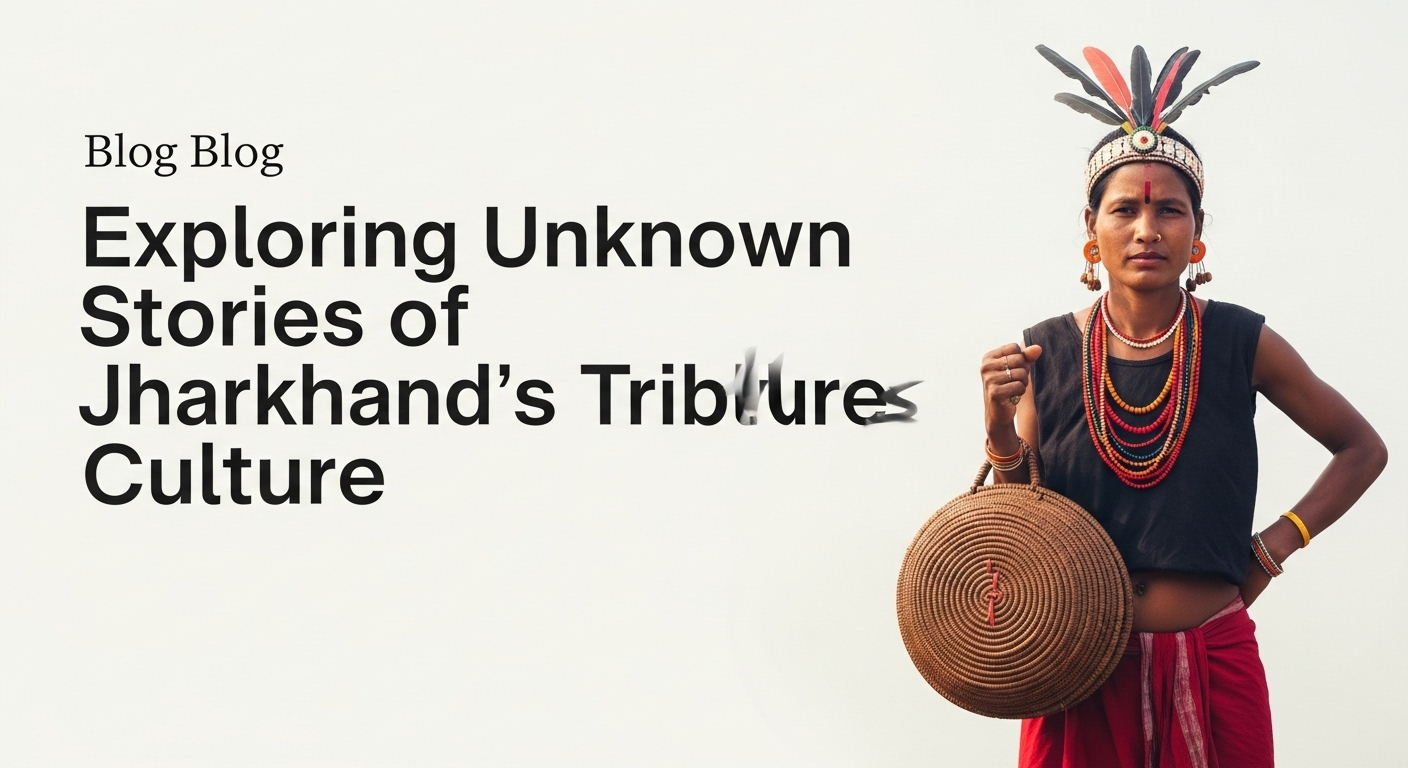
Jharkhand has 28 spaces in its assembly just for Scheduled Tribes, or STs. The Kolhan area alone has 14 of these spots. This shows how strong and important tribes are in the state. People from tribes like the Santhals, Mundas, and Hos share a deep, colorful culture. It’s not just about politics. Their stories, art, and traditions tell us about their life and who they are.
Tribal stories in Jharkhand are waiting to be told. As things change, we see how important it is to learn about them. Knowing their customs and art helps us understand their way of life better. It’s a chance to hear stories full of life and meaning from this lively place.
Key Takeaways
- Jharkhand has 28 Scheduled Tribe Assembly seats, highlighting tribal political representation.
- The Kolhan region contributes 14 seats, with notable reservations for STs and SCs.
- The rich tapestry of Jharkhand’s tribal culture includes significant narratives and traditions.
- Influence and dynamics among tribes like the Santhals and Hos are crucial to the region’s culture.
- Understanding these unknown stories is vital for appreciating the local Indigenous identity.
The Rich Tapestry of Jharkhand’s Tribal Communities
Jharkhand’s tribal communities show us a deep view of the state’s complex culture. They have different groups, each with their own ways, languages, and traditions. These make Jharkhand’s tribal culture rich. They live closely with nature, showing balance and respect for their lands.
The land’s forests and rivers shape the tribal way of life. They influence jobs, rituals, and how people connect in the tribes. This shows how nature and culture blend together.
Tribal festivals, art, and daily life show strength and the power to adapt. These help them keep their traditions while dealing with today’s world changes.
| Community | Population (Estimated) | Key Traditions | Main Livelihood |
|---|---|---|---|
| Santhal | 4.1 million | Dance, Music | Agriculture, Handicrafts |
| Munda | 2.1 million | Festivals, Folk Art | Agriculture, Forest Products |
| Oraon | 1.1 million | Rituals, Culinary Practices | Agriculture, Forest Resources |
| Kharia | 600,000 | Folklore, Traditional Games | Hunting, Gathering |
This tells us about Jharkhand’s tribes. It shows why it’s key to learn and keep their ways alive. Doing this makes sure the next generations know their rich culture. This culture is a big part of India’s story.
Unknown Stories of Jharkhand’s Tribal Culture
The unknown stories of Jharkhand’s tribal culture show a rich history and tradition. This highlights the area’s unique identity. The oral traditions in Jharkhand are key to keeping this culture alive. They pass on knowledge, values, and history. These stories include ancient wisdom, lessons on right and wrong, and the rich folklore of the tribes.
Importance of Oral Traditions
Oral traditions are vital in keeping Jharkhand’s tribal heritage alive. They help pass down important stories that show the tribes’ traditions and values. Through stories, tribes share experiences that strengthen their identity and sense of belonging. Elders tell tales of bravery, mythical creatures, and big historical events. This keeps their culture alive in the minds of the young.
Influence of Geography on Tribal Narratives
The geography of Jharkhand greatly influences tribal stories. The state’s diverse landscapes, like plateaus, hills, and rivers, shape the tribes’ ways of life and beliefs. Places like the Hazaribag Wildlife Sanctuary and the Chota Nagpur plateau offer a home for rare animals. They also provide settings for the tribes’ stories. Nature inspires many folk tales, showing the strong link between the natural world and cultural stories.
| Geographical Feature | Impact on Tribal Culture |
|---|---|
| Hazaribag Wildlife Sanctuary | Stories of coexistence with wildlife and preservation of nature. |
| Chota Nagpur Plateau | Numerous folktales related to hills and valleys, interwoven with daily life. |
| Major Rivers (Damodar, Subarnarekha) | Myths surrounding riverine life and traditions dependent on water bodies. |
| Parasnath Peak | Legends of spirituality and connection to the earth, influencing religious practices. |
Festivals and Celebrations: A Glimpse into Tribal Life
Jharkhand’s tribal culture shines through its festivals and celebrations. These events show the community’s rich history. They bring people together. They create unity among the tribes.
Jharkhand tribal festivals are a time of happiness, sharing, and cultural pride.
Folk Dances and Music
Folk dances in Jharkhand are vital to its celebrations. Each tribe has its own dance styles with special steps. The Chhau dance, for instance, is famous for its lively footwork. Music for these dances often uses madol and dholak.
This keeps social ties strong and honors their traditions.
Unique Ceremonial Practices
Jharkhand’s tribal events have special ceremonies. For example, the Sarhul festival honors nature with rituals under sacred trees. It shows how people feel connected to the earth. The Karma festival celebrates the harvest with food and music.
These ceremonies are faith expressions. They also strengthen community bonds.
Hidden Gems of Jharkhand’s Tribes
Jharkhand was formed in 2000, coming from a piece of Bihar. It’s filled with treasures for those keen on learning about Jharkhand’s tribes. With a big population, it’s not just the land that’s interesting. The state has rich traditions and culture, thanks to its local communities.
In Jharkhand, the tribal cultures are diverse. They have unique crafts like Madhu Bansuri bamboo flutes and Dokra metal art. These crafts show the deep skills of the tribes. Every craftsperson has their own stories and techniques that they inherited.

The tribes follow sustainable ways of living. They farm without harming nature. This shows how much they respect the earth. It’s a part of their spiritual life too.
It’s vital to keep these traditions alive. If we don’t, they might be lost. They are often ignored because of India’s mainstream culture. We need to raise awareness. This will help keep Jharkhand’s crafts and culture going strong. By learning and visiting, we can help these unique traditions survive.
| Aspect | Description |
|---|---|
| Traditional Crafts | Madhu Bansuri flutes, Dokra metal art |
| Artisanal Skills | Generational techniques and stories |
| Sustainable Practices | Organic farming and biodiversity promotion |
| Cultural Importance | Connection with nature and spirituality |
Visit this link for more about Jharkhand.
Enigmatic Folklore of Jharkhand’s Indigenous People
The tribes of Jharkhand have a rich culture full of mystery. They tell stories of legendary creatures and myths. These stories help explain the world around them and personal lives. They are not just for fun. They teach important life lessons and shape the tribe’s beliefs and how they see themselves.
Legendary Creatures and Myths
Jharkhand’s tribes believe in mythical creatures. These creatures represent nature’s spirits. They live in forests, rivers, and mountains. They play a big part in how people farm and live each day. The stories, or legends of Jharkhand tribes, teach respect for nature and how to follow old traditions.
- Gond folklore speaks of the Bhima, a forest-guarding giant.
- The Santhal tribe believes in a Serpent God that protects their homes.
- There are many tales about meeting spirits who help or warn.
The Role of Folklore in Daily Life
Folklore means a lot to the tribes. It’s not just for fun. It shapes the tribe’s traditions, festivals, and how people come together. By telling stories, they keep their history alive. This way, each generation feels connected to their past and shares a common identity.
| Aspect | Significance |
|---|---|
| Community bonding | Folklore brings people together during festivals and gatherings. |
| Moral Education | Tales convey warnings and lessons for younger generations. |
| Spiritual Practice | Myths influence rituals, connecting people to their spiritual beliefs. |
| Historical Record | Folklore preserves the history and culture of the tribes. |
Lesser-Known Customs of Jharkhand’s Tribal Communities
Jharkhand’s tribes have unique traditions that are not well-known. These tribal rituals show how they live and what they value. For example, their marriage customs include a lot of singing and dancing. These show how important family and unity are to them.
Their death rituals show deep respect for those who have passed away. These ceremonies have many parts, including wearing special clothes and purification rituals. They show the strong bond between the living and their ancestors. It highlights the importance of keeping their culture alive.
The art of Godna is special among these tribes. It’s a way to show who they are and what they believe through tattoos. The Muria tribe expresses itself with mural paintings on their homes. They use natural colors to share their beliefs and life stories.

In Jharkhand, tribal crafts are also important. Places like Bastar, Raigarh, and Ambikar are famous for terracotta figures. Artists use clay from rivers to make these. The art varies from ceremonial to decorative, showcasing their heritage.
| Custom | Description | Significance |
|---|---|---|
| Marriage Customs | Elaborate ceremonies with singing and dancing | Strengthens community bonds |
| Death Rituals | Multi-stage ceremonies honoring ancestors | Emphasizes ancestral respect and continuity |
| Godna Art | Tattooing with sacred motifs | Symbolizes life events and beliefs |
| Mural Art | Spontaneous wall paintings using natural pigments | Expresses beliefs and experiences |
| Terracotta Craft | Handcrafted figures from riverbank clay | Showcases artistry and cultural identity |
Learning about Jharkhand’s tribes helps us understand their life. It’s full of tribal rituals and art. These traditions show how they adapt and stay strong in a fast-changing world.
Tribal Heritage of Jharkhand: An Unexplored Perspective
Jharkhand’s tribal heritage is a colorful mix of art, culture, and green living. It shows the deep traditions of its native people. We will look at the art and skills handed down through families. This showcases Jharkhand tribes’ amazing traditional craft skills. They use their knowledge of nature in daily life. This helps keep their rich history alive.
Traditional Craftsmanship and Arts
Jharkhand’s tribes are known for their amazing traditional crafts. This includes weaving, pottery, and making detailed jewelry. These crafts are not just useful but also important to their culture. Handmade items tell stories and beliefs of the tribal people. They keep their culture’s spirit alive.
- Weaving: Beautiful cloths, made from natural fibers, show the area’s cultural details.
- Pottery: Pots with traditional designs tell the artistic tale of the tribes.
- Jewelry Making: Unique jewelry from local materials shows Jharkhand’s artisans’ skills.
Ecological Wisdom and Practices
The tribes of Jharkhand are wise about nature. Their sustainable habits and love for the earth are clear. They know farming methods that are kind to the earth and good against weather changes. Using local stuff and caring for nature’s balance, they help keep our planet green.
- Sustainable Agriculture: They use crop switching and natural farming to keep the soil rich.
- Medicinal Knowledge: They use local plants for health, showing their knowledge of area plants.
- Forest Conservation: Their rituals and beliefs stress the need to protect natural living spaces.
Conclusion
The stories of Jharkhand’s tribes show a rich culture full of tradition and strong communities. These stories help keep the tribal culture alive. They also build understanding and respect in wider Indian society.
The tribes of Jharkhand make the state’s culture special. They have stayed strong through tough times. This shows their long-lasting heritage.
We must keep these stories alive as they show the tribes’ fights and victories. Sharing these stories can make more people care. It helps kids stay connected to their history.
The future of Jharkhand’s tribes depends on fair representation and being given power. This will help them share and grow their culture.
The tales of Jharkhand’s tribes are important today. They are not just old stories but lessons that deserve to be celebrated. Making sure these stories are shared is key to cultural preservation in India.
FAQ
What are some unique aspects of Jharkhand’s tribal culture?
Jharkhand’s tribal culture is full of traditions and vibrant festivals. These traditions come from tribes like the Santhals, Mundas, and Hos. They show a life close to nature and community.
How do oral traditions play a role in Jharkhand’s tribal communities?
Oral traditions keep Jharkhand’s history and culture alive. They include folklore and stories that pass through generations. This is how tribes keep their identity and values.
What are some of the major festivals celebrated by the tribes in Jharkhand?
Big festivals in Jharkhand include Sarhul, Karma, and Tudu. These events have folk dances and music. They help make community bonds strong and show the tribes’ heritage.
What types of traditional crafts are associated with Jharkhand’s tribes?
Jharkhand’s tribes are great at weaving, pottery, and making jewelry. Their crafts show wisdom and respect for nature. These skills help keep their culture alive.
How does geography influence the lives of Jharkhand’s tribal communities?
Jharkhand’s geography, like its hills and rivers, affects the tribes’ way of life. It shapes their lifestyles and cultural identities.
What role does folklore play in the daily lives of Jharkhand’s tribes?
Folklore in Jharkhand includes tales about legendary creatures. These stories explain nature and teach moral lessons. They are important for spirituality and daily life.
Are there lesser-known customs within Jharkhand’s tribal communities?
Yes, Jharkhand’s tribes have unique marriage and death customs. These customs show deep social bonds and the complexity of their life.
Why is it important to preserve Jharkhand’s tribal culture?
Keeping Jharkhand’s tribal culture alive is vital for everyone. It celebrates diversity and respects ancient traditions. It also shows the power of these communities in today’s world.