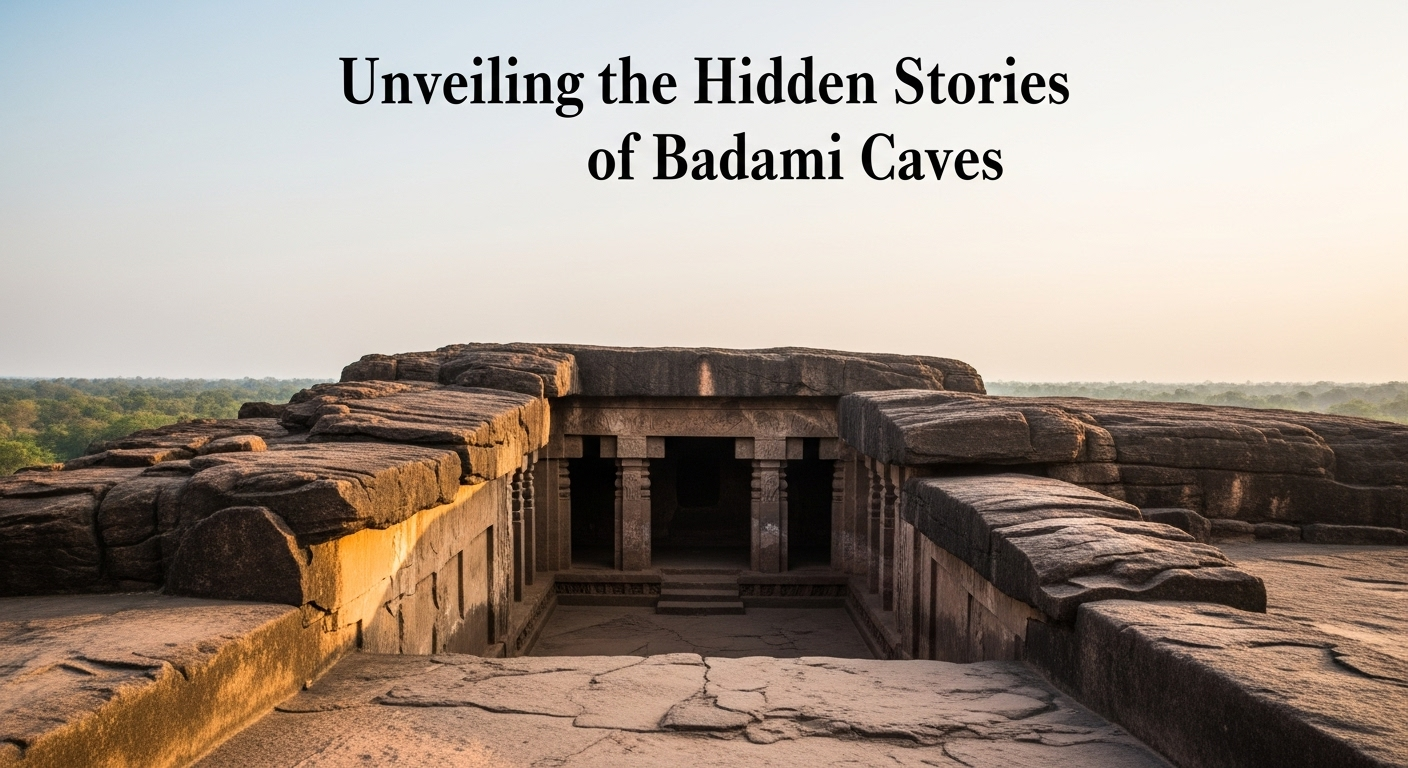
In Karnataka’s sandstone cliffs, we find Badami Caves. These temples from the 6th century are amazing. They are full of stories and art, showing human creativity and nature’s beauty. The caves tell stories of gods like Vishnu and Shiva, and also about Jain beliefs. They show us the art and faith of ancient times.
The hidden stories of Badami Caves are still a mystery. When you visit, you feel the old times come to life. The carvings show love for the gods, made directly from stone. The Chalukyan Dynasty’s history fills the air, shared by every sculpture there.
Key Takeaways
- Discover the intricate craftsmanship of the Badami Caves, a symbol of the Chalukyan Dynasty’s architectural prowess.
- Examine the spiritual dimensions within the stone walls, revealing dedicated spaces for Hindu and Jain traditions.
- Witness the crossover of natural and human artistry that defines the untold heritage of the Badami Caves.
- Marvel at the melange of mythological storytelling and historical significance encapsulated in the cave carvings and murals.
- Appreciate the enduring legacy of these ancient monuments, which continue to inspire and captivate those who visit.
The Enigma of Badami’s Red Sandstone Cliffs
Badami’s red sandstone cliffs in Karnataka are stunning. They house deep secrets of history. Carved into temple caves, they show ancient architectural marvels and secrets.
Carvings That Speak: An Architectural Overview
Badami’s architecture is grand. Its cliffs mix Dravidian and Nagara styles. The Malegitti Shivalaya Fort and Temple stand out.
They tell stories of history and religion. This blend is an architectural innovation. It shows the era’s mystical spirit and religious diversity.
Mystery and Myth: Tales Carved in Stone
The cave walls of Badami tell mysterious tales. They talk about gods and ancient times. From Nataraja’s dance to Tirthankaras, each carving tells a story.
The Bhuthanatha Temples by Agastya Lake are serene yet complex. They add mystery to the site.
| Location | Architectural Detail | Historical Period |
|---|---|---|
| Malegitti Shivalaya Fort and Temple | Nagara and Dravidian styles blend | 7th Century |
| Bhuthanatha Temples | Granite and sandstone cliffs backdrop | 7th Century |
| Badami Cave Temples | Rock-cut architecture, dedicated to multiple deities | 543 AD (built by Pulakeshin I) |
| Ardhanarishvara Sculpture, Cave 1 | 7.5 feet high blending cosmic dualities | 6th Century |
Badami’s cliffs silently tell of architectural marvels and myths. Preserved in stone, they fascinate scholars and travelers. This makes Badami an important cultural and historical spot in India.
Exploring the Spiritual Depths of Cave Temples
The Badami cave temples are in Karnataka. They show deep spiritual meaning and love. These ancient homes, made from rock, are symbols of faith and clever building.
These caves are not just dark rooms. They tell stories of India’s bright past. Each statue and design shares tales of long ago. They show the beliefs and quests of the Chalukyan Dynasty. Details of gods like Vishnu and Shiva show their big roles back then.
Dedication to Deities: Vishnu and Shiva
The carvings and big statues of Vishnu and Shiva are special. Vishnu is shown in many forms. He is the keeper and guard in Hindu stories. Shiva’s pictures share ideas of ending and starting again. He is both the destroyer and the healer in stories.
The Chalukyan Dynasty’s Devotion Unearthed
The Chalukyan rulers loved art and Hinduism. They truly honored these gods. This changed the area’s spiritual stories. For more cool stories, visit Kalyan Geetha.
The Badami caves share India’s spiritual and old story. Here, each stone has a story. Every piece sounds with old chants. This shows the strong belief and creativity of the past.
Deciphering Ancient Art: Murals and Sculptures
In Karnataka, India, the Badami Caves capture rich stories. These caves are full of murals and sculptures. They show ancient secrets and enigmatic legends of old Indian civilizations. Every part of the caves tells a story. It shows beliefs, practices, and art from long ago.
The art in these caves marks an important time in Indian art history. They are like the Ajanta paintings. The Badami paintings have scenes of palaces and stories from Hindu and Jain beliefs. This mix of stories and styles teaches us about ancient secrets through art.
Nearby places like Pattadakal and Bhutanatha Temple show a mix of artistic styles. This area was a creative mix of Dravidian and Nagara architecture, with buildings for many gods. The art shows religious harmony and adds to the enigmatic legends of ancient works.
| Location | Distance from Agastya Lake | Key Artistic Features |
|---|---|---|
| Badami Cave Temples | 2 km | Four caves dedicated to different deities, sculptures and murals |
| Pattadakal | 20 km | UNESCO site, known for Dravidian and Nagra styles |
| Bhutanatha Temple | 0.2 km | Major pilgrimage site, near Agastya Lake |
Looking at these places helps us understand old stories and lives. Every painting and sculpture in the Badami Caves shows part of a big story. They hint at the enigmatic legends and ancient secrets behind early Indian art and civilization.
Badami’s Pantheon: A Journey Through Hindu and Jain Mythology
In the heart of India, Badami is a special place. It is full of hidden stories from the Badami Caves. This area shows the beauty of old times and tells stories of Hindu and Jain gods.

The Dashavatara are dance performances in Badami. They show ten forms of Vishnu like Matsya the fish. Each form and its dance moves have deep meanings in their religion.
The Dashavatara: A Dance of Divine Incarnations
The Dashavatara shares a spiritual journey with us, through ten avatars. It includes dances like Bharatanatyam. These stories are more than performances. They share old wisdom and link the past to now.
Jain Tirthankaras: Ascetics in Stone
The Jain Tirthankaras are shown in the caves, too. They show the lives of those who reached high spiritual goals. Each statue tells about Jain values of living with less and letting go.
| Avatar | Symbolism | Dance Form |
|---|---|---|
| Matsya | Salvation from deluge | Fluid movements |
| Kurma | Supporting cosmic order | Stable postures |
| Varaha | Rescue of Earth | Robust gestures |
| Narasimha | Protection from evil | Fierce expressions |
| Vamana | Restoration of the universe’s balance | Subtle symbolism |
The pantheon of Badami, with the Dashavatara and Tirthankaras, ties together centuries. These figures show the beliefs and cultures of their time. They also keep the stories of Badami Caves alive, letting us see into ancient India’s soul.
Archaeological Discoveries: Unearthing Centuries-Old Artifacts
In India’s heart, the Badami Caves are key for archaeology. They unveil artifacts linking today with the ancient Chalukya civilization. These finds show off the architectural marvels and tell stories of the past.
The finds at Badami include sculptures and inscribed tools. Every piece helps us know more about life back then. They connect us to the past, showing the culture and art skills of that time.
- Architectural Components: Parts of temple archways, detailed stone carvings, and old building pieces show the Badami caves’ architectural skill.
- Inscriptions: They are key to understanding the social, political, and religious life back then. They keep historical narratives alive that could have been lost.
- Domestic Artifacts: Items like pottery, jewelry, and tools tell us about everyday life. They show both normal and artistic sides of Chalukya society.
The artifacts let us appreciate the era’s beauty and the craftsmen’s advanced techniques. They decorated the architectural marvels. New finds keep teaching us about this advanced civilization. This gives scholars and the public a peek into an age of great artistic and cultural feats.
The Allure of Ancient Frescoes: From Canvases to Cavern Walls
The vivid tapestry of Indian art comes from different times and places. It includes ancient frescoes and tribal art. They show the culture of their eras. Styles and stories mix in Warli paintings and murals in caves across India.
Warli Paintings: Understanding the Tribal Canvas
Warli paintings are a tribal art from Maharashtra. They show the Warli tribe’s life with simple motifs. They highlight the cycle of life and nature’s bond with humans.
This art has been passed down through generations. It’s a big part of their cultural identity.
Bagh Caves: A Glimpse into the Artistic Past
The Bagh Caves display exquisite ancient frescoes. These murals, inspired by Buddhist stories, are similar to those in Ajanta but tell their own stories. The art shows skill with color and expression before modern tools.
| Feature | Warli Art | Bagh Cave Frescoes |
|---|---|---|
| Origins | Maharashtra, India | Madhya Pradesh, India |
| Themes | Social life, Nature, Rituals | Buddhist Jataka tales, Bodhisattvas |
| Medium | Natural dyes, Bamboo, Branches | Mineral colors, Limestone walls |
| Cultural Significance | Documenting tribal ethos and social structure | Eventual influence on Indian religious art |

Warli paintings and Bagh Cave frescoes teach us about India’s art history. They still influence art today. By learning about them, we connect with the past. This helps keep traditions alive for new generations.
Majestic Monuments: A Confluence of Nature and Human Ingenuity
The Badami Caves show us nature and human art coming together beautifully. They are placed in rough landscapes. Here, they highlight amazing architecture and hold many untold stories from centuries ago.
Badami Caves: Redefining Landscape and Culture
The Badami Caves have stood the test of time. They were made from soft sandstone. Each cave has its own story, ready for historians and travelers to find out.
These caves show how people’s work can blend with nature’s wonder. They present a mix of untouched beauty and careful human making.
Magnificence of Cliffside Marvels: A Panoramic View
Where the Badami Caves sit, they offer more than just beauty. They let people see wide, stunning views. The views add to the amazing carvings and statues inside.
These sights help us understand the caves’ historical importance. They give a special view over the old town. This shows how natural beauty and smart planning came together.
| Feature | Description | Significance |
|---|---|---|
| Architectural Design | Intricate rock-cut architecture | Displays the zenith of early Chalukyan art |
| Historical Importance | Centuries-old structures | Reflects the socio-cultural narrative of the time |
| Cultural Relevance | Sacred spaces dedicated to Hindu deities | Serves as an active site of worship and cultural aggregation |
| Natural Setting | Located amidst red sandstone cliffs | Enhances the aesthetic and strategic value of the caves |
At heart, the Badami Caves bring together natural beauty and human skill. They are both stunning to look at and a way to learn about our history. These caves hold great historical, cultural, and natural value, showing off what people from the past could do.
Hidden stories of Badami Caves: Clues Left by Our Ancestors
The Badami Caves in Karnataka are very special. They have many stories from the past. These caves show us how people lived many years ago. The carvings and writings there tell us about the Chalukyan dynasty. They show the art and beliefs that were important back then.
Secrets in Stone: The Narrative Bas-Reliefs
Walking through the Badami Caves is amazing. You see walls with beautiful carvings. These aren’t just decorations. They tell stories about gods and people. They help us understand the culture and religion from long ago. These carvings are like picture books from the past.
Legacy of the Chalukyas: Inscriptions Revealing History
Inscriptions in the caves are like messages from history. They tell us about the Chalukya people. We learn about their politics, society, and what they believed in. These writings connect us to the stories of the past. They let us know about the lives of those who ruled and lived back then.
FAQ
What are the hidden stories of the Badami Caves?
The Badami Caves are full of old secrets and legends from the 6th century. They tell stories of ancient knowledge and religion. The Chalukyan Dynasty’s influence is seen through carvings and paintings on the walls.
Why are the red sandstone cliffs of Badami significant?
The red cliffs of Badami are amazing because they show ancient mysteries. Inside them are temples with beautiful carvings. These tell us about the cleverness and beliefs of the people long ago.
What is the spiritual significance of the Badami Cave Temples?
The Badami Cave Temples are very important for spiritual reasons. They have sacred places for gods like Vishnu and Shiva. These places show the Chalukyan Dynasty’s strong beliefs. People come here to pray and think deeply.
What ancient art can be found in the Badami Caves?
Inside the caves, there are many old paintings and statues. They show gods and stories from myths. The Chalukyas made these artworks. They include pictures of Hindu gods and Jain figures, each telling its ancient story.
How do the Badami Caves reflect Hindu and Jain mythology?
The Badami Caves show important figures from Hindu and Jain stories. There are statues of Vishnu’s ten forms and Jain teachers. These artworks show how people long ago respected different religions. They tell us about the rich culture of the Chalukyan Dynasty.
What have archaeological excavations at the Badami Caves revealed?
Digging in the Badami Caves has found many old objects. These include pottery, writings, and money. They help us learn about the people of the Chalukya time. We discover how they lived, traded, and what they created.
How do the frescoes of the Badami Caves compare to other ancient artworks?
The Badami Cave frescoes are related to other old Indian art. They are like Warli paintings and the murals in the Bagh Caves. These pictures show ancient stories and beliefs. They help us see how art changed in different places.
What is unique about the location and architecture of the Badami Caves?
The Badami Caves are placed where natural beauty meets human work. From here, you can see wonderful views. The caves are cut from red stone cliffs. This shows amazing skill and changes how we see the area’s culture.
What types of narrative bas-reliefs can be found in the Badami Caves?
In the Badami Caves, there are special wall carvings that tell stories. These stories are about daily life, myths, and gods important to ancient India. They help us understand what the people back then believed and valued.
What history is revealed by the inscriptions in the Badami Caves?
The writings in the Badami Caves tell us about the past. They talk about kings, society, beliefs, and language changes. These records are very valuable for learning about the culture and legacy of the area’s early people.