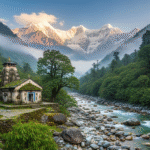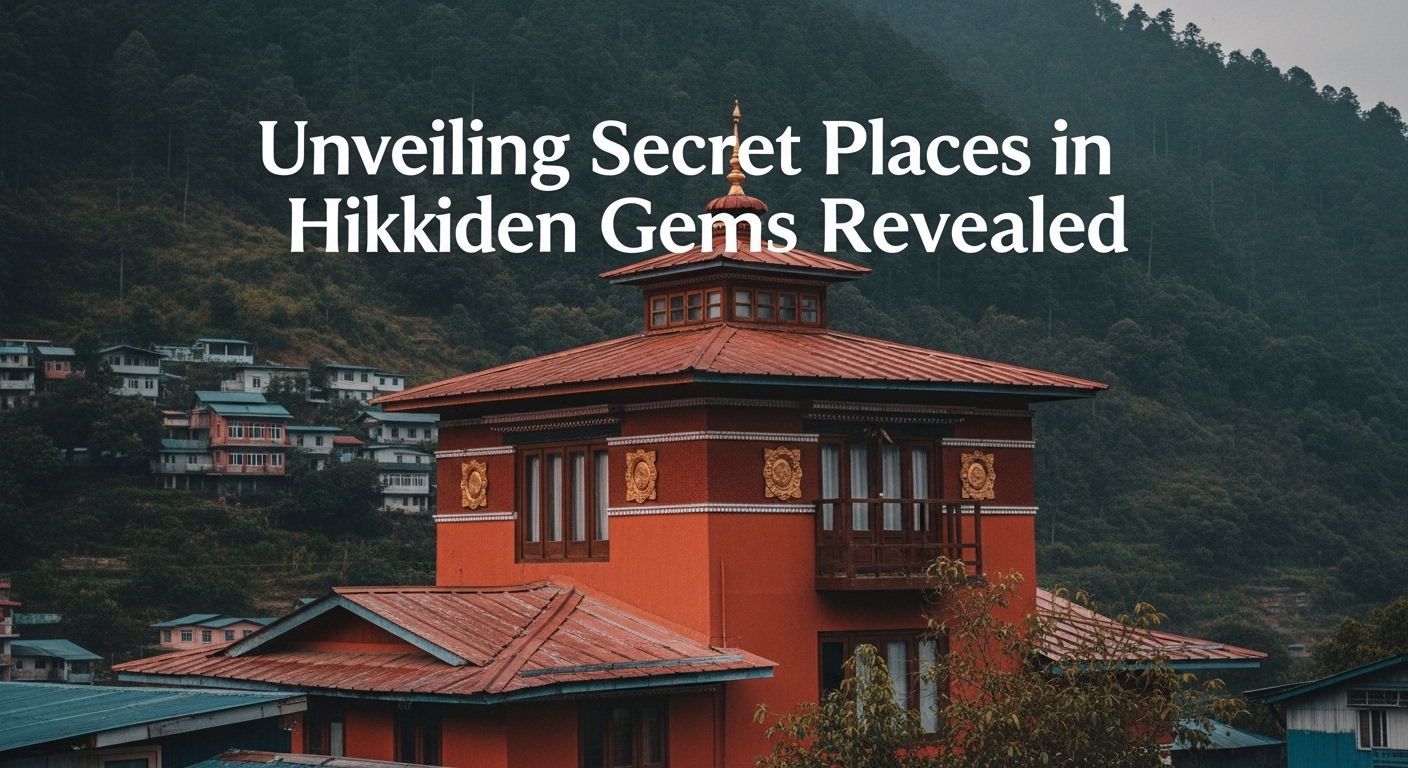
Have you heard about Khecheopalri Lake in Sikkim? It’s a beautiful spot hidden in the northeast of India. This lake fulfills wishes for those who visit. It’s about 147 kilometers from Gangtok.
The lake is part of a Buddhist pilgrimage. It has myths about why there are no leaves on its surface. Birds help keep it clean. Khecheopalri Lake is a pure place that grants wishes. Sikkim has many secret spots like this. It’s called the “Land of Enchantment.”
In Sikkim, there are places less known but full of wonders. You can see the blend of cultures at Kabi Lungchok. Or, explore Lal Bazaar’s rich culture. Places like Gonjang Monastery offer peace. The Sikkim Himalayan Zoological Park shows the state’s rich animal life. These spots offer close-up experiences of Sikkim.
For those who love to explore, Sikkim is perfect. The state has many hidden spots to discover. Visit Tashiding Monastery for spiritual peace. Or experience the beauty of Khecheopalri Lake. Sikkim is full of amazing places to find. Let this guide lead you to Sikkim’s untouched gems.
Key Takeaways
- Encounter the profound stillness and the enduring myths of Khecheopalri Lake, a spiritual sanctuary and natural wonder.
- Experience the untouched splendor of Sikkim, home to hallowed monasteries, elusive wildlife, and indelible cultural artifacts.
- Delve into the intimate marketplaces like Lal Bazaar to grasp the daily vibrancy and cultural mosaic that define Sikkim.
- Seek out historic sites, like Kabi Lungchok, that recount tales of brotherhood and alliance against the backdrop of Himalayan grandeur.
- Marvel at the raw beauty of less frequented paths, from soulful monastery retreats to wildlife preserves in Sikkim’s varied elevations.
Discover Zuluk: An Enchanting Secrets of East Sikkim
Zuluk lies hidden in East Sikkim’s rugged lands. This tiny village shows off stunning Himalayan views and a rich past. It’s off the usual path, perfect for finding peace and adventure in nature.
The Mesmerizing Sunrise over Kanchenjunga
The sunrise at Kanchenjunga from Thambi Viewpoint is amazing. At 11,200 ft, you see the world’s third-highest mountain in beautiful colors. This moment is a big reason visitors love Zuluk.
Lepcha Culture and the Ancient Silk Route Trails
Zuluk was part of the old Silk Route and is full of history. The paths once used by traders show Zuluk’s vibrant past. The local Lepcha people add to the area’s rich culture. Visitors can learn about traditions and food here.
Thangu Monastery: A Serene Retreat
Thangu Monastery offers quiet and a chance to see Buddhist monks’ life. It’s filled with colorful flags and peace. Travelers find self-discovery and peace here, amid Zuluk’s calm landscapes.
The table below shares details about Zuluk. It helps travelers plan their trip:
| Detail | Description |
|---|---|
| Altitude | 10,100 ft |
| Distance from Gangtok | 90 KM (featuring 32 hairpin bends) |
| Visitor Restrictions | Permit-free for Indian nationals; RAP required for foreign nationals |
| Accommodation | Homestays ranging from 1500 – 2000 INR per night |
| Best time to visit | Spring and Autumn (March to May; September to November) |
| Main Attractions | Thambi Viewpoint, Ancient Silk Route, Lepcha culture, Thangu Monastery |
Zuluk offers unseen landscapes and a look into Sikkim’s old trade roads. It’s a true treasure in East Sikkim. Visitors can experience a living heritage.
The Mystique of Tashiding Monastery
The Tashiding Monastery in Sikkim is a special spot. It’s known for its importance in faith and stunning location. Sitting at 5000 feet, it gives amazing Himalayan views and is a peaceful place.
Ngadak Sempa Chempo Phunshok Rigzing started Tashiding in 1641. It’s not just a monastery. It’s a piece of history. It’s loved by Buddhists because it has over 200 old writings by Lhatsün Namkha Jikmé. This makes it very important for Buddhism in Sikkim.
The ‘Bumchu’ festival happens here every year. It’s on the 14th and 15th days of the first Tibetan month. People from all over come to see the Bumchu vase being opened. It has holy water blessed by Guru Rinpoche. This festival connects the old and new in a special way.
| Event | Description |
|---|---|
| Bumchu Festival | Held annually, featuring the opening of the Bumchu vase with sacred water, attracting international devotees. |
| Chortens | Home to 41 intricately designed chortens that enhance the monastery’s sacred environment. |
| Cultural Significance | Site of the consecration of the first Chogyal of Sikkim, marked by scented incense and divine music. |
| Visit Timing | Open from 7 AM to 6 PM, with the best visiting months from March to June. |
Tashiding is also a key spot for eco-tourism. Sikkim loves nature, and so does this monastery. It attracts visitors who care about the earth. It’s a quiet spot for thinking and enjoying stunning views.
Darap Village: Immersing in the Lepcha Way of Life
Darap Village is tucked away in South Sikkim. It’s a hidden gem that helps visitors understand Sikkim’s culture. Here, you can see how the Lepcha and Limboo people live.
Staying at the Dara Gaon Village Retreat is a treat. It’s run by Shiva Gurung and his family. This homestay helps the village and keeps Sikkim’s culture alive.
Authentic Lepcha Homestays
Homestays in Darap offer a special experience. They have traditional design and cozy spaces. Guests can enjoy local life and tasty foods like momos.
Handcrafted Traditions: Weaving & Cuisines
Darap shines with its traditional arts and crafts. Tourists can see how locals weave beautiful shawls. They can also taste Sikkim’s unique dishes.
Darap Village is perfect for exploring Sikkim’s culture. It supports the local economy and keeps traditions alive. This village shows the beauty and culture of Sikkim in a special way.
Khecheopalri Lake: A Sacred Waterscape
Khecheopalri Lake is in West Sikkim. It symbolizes peace and holiness. People come here to feel the spirit of the area. It’s a secret beauty of Sikkim, quiet and magical. This lake can make wishes come true. This belief is important to Buddhists and Hindus. It shows the deep spirituality of Sikkim.
Tales of Wishes and Tranquil Boat Rides
Stories say leaves never land on the lake’s water. Birds pick them up. This keeps the water clear. Riding a boat here is special. You move through dense forests with nature’s music. It is a peaceful and sacred feeling.
Embracing the Spiritual Essence of Sikkim
Going to Khecheopalri Lake is like a holy trip. You’ll see lots of nature. Every part tells of the land’s spirit. The place connects you deeply with nature. It shows what Sikkim’s spirit is all about. People join in local customs and give offerings. They celebrate life, nature, and the sacred together.
Khecheopalri Lake is a treasure in Sikkim. It’s perfect for people wanting to feel a strong spirit. It’s a quiet break from busy life.
Secret places in Sikkim: Off the Beaten Tracks in Gangtok
Gangtok, the capital of Sikkim, hides many secret places. These are far from the usual tourist spots. They offer a quiet break and a real look at the area’s nature and culture.
The Bakthang Waterfall is peaceful and close to the city. It’s perfect for nature lovers. Kabi Lungchok is full of history, telling stories of old treaties with stone pillars.
Escape from the conventional tourist routes and explore the heart of Sikkim’s heritage and untouched natural beauty. Discover the secret corners of Gangtok where history and tranquility speak volumes.
Bakthang and Kabi Lungchok are just the beginning. There are many more hidden spots to discover.
- Ranka Monastery – A quiet place to learn about monastic life.
- Seven Sisters Waterfalls – These waterfalls are beautiful, especially in rainy season.
- Phamrong Falls – Near Martam Village, it’s great for trekking and enjoying nature.
| Location | Attraction | Elevation/Height |
|---|---|---|
| Bakthang Waterfall | Natural Waterfall | Accessible from city level |
| Kabi Lungchok | Historical Site | 17 km from Gangtok |
| Ranka Monastery | Buddhist Monastery | About an hour from Gangtok |
| Seven Sisters Waterfalls | Series of Waterfalls | 45-minute drive from Gangtok |
| Phamrong Falls | Tallest Waterfall | 40 feet high |
Visiting these hidden places in Sikkim is special. It’s different from regular tourist things. Plus, it helps keep the peace and beauty of these spots.
Namgyal Institute Of Tibetology: A Repository of Himalayan Wisdom
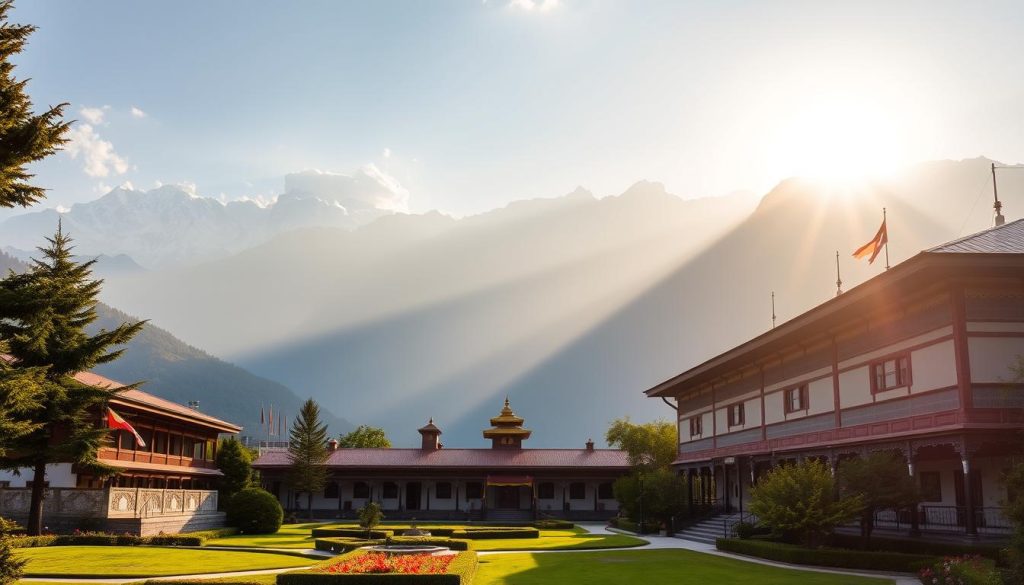
In Gangtok’s heart sits the Namgyal Institute of Tibetology. It shines as a knowledge beacon, preserving the cultural heritage Sikkim. This place is not just for study. It’s also one of the lesser-known spots Sikkim treasures. It offers a unique look into Tibetan Buddhism and its history.
The institute was created to help people understand the area’s religious and cultural details better. It has over 60,000 books and lots of artefacts. These are all well-kept to give everyone, from scholars to visitors, a deep look into Tibetan culture and spirituality.
A Dive into Spiritual History with Ancient Artefacts
The institute has many old artefacts. These include rare thangka paintings, musical instruments, and relics from the Silk Route. They tell the tale of a deep spiritual journey that lasted centuries. They show how important the institute is in keeping such precious legacies safe.
The Indo-Tibetan Library: Treasures of Philosophical Literature
The Indo-Tibetan library at the institute is very special. It’s one of Asia’s biggest collections of philosophical and religious books. This library is not just for scholars. It’s a lively cultural place that draws in thinkers, historians, and fans. They come to explore the ideas that have influenced Indo-Tibetan relations and spirituality.
By looking around the institute, one finds peace in the old wisdom. They also connect with the ongoing story of Sikkim’s spiritual world. This helps them truly appreciate the deep cultural heritage Sikkim holds.
Escaping to the Solace of Enchey Monastery
Enchey Monastery sits in the heart of Gangtok, the bustling capital of Sikkim. It’s a hidden jewel for those in search of peace and a deep spiritual experience in Sikkim. Belonging to the Nyingma sect of Vajrayana Buddhism, this place draws visitors for its religious value and the famous Cham dance festival.
Since its construction in 1909, Enchey Monastery has been a key spiritual spot in Sikkim. Here, guests can see beautiful murals of Mahayana Buddhism and join in meditative sessions. These sessions are filled with chants that heighten the spiritual vibe.
Surrounded by green forests, the monastery gives stunning views of the Khangchendzonga range. It’s known for its tranquil setting and beautiful outlook of Sikkim. Visitors love the peaceful gardens, the sound of prayer flags, and the wind, which highlight the spirit of Sikkim.
Find more hidden gems in Sikkim. Explore places that offer not just beauty but a chance for personal reflection and a reconnection with nature.
The Cham dance festival here is an annual highlight. Monks wear colorful costumes and dance stories of their gods. It adds a colorful cultural touch to any visit.
Enchey Monastery is fascinating for its architecture and history, too. It blends Chinese, Tibetan, and Indian styles. This sacred spot is perfect for prayer, contemplation, and learning about the region’s religious art and practices.
Exploring Lal Bazaar’s Local Vibrancy
Lal Bazaar in Gangtok is full of life and color. It shows the real culture of Sikkim through its shops and stalls. This market mixes old traditions with new ways. It’s a special place in Sikkim.
Visitors can experience local life, try traditional foods, and meet people. The Kanchenjunga Shopping Complex has been a key part since 1956. It shows Sikkim’s proud cultural heritage.
A Spectrum of Sikkimese Culture
Walking into Lal Bazaar, you’re welcomed by colorful stalls. They sell fruits, vegetables, crafts, and spices. The place is lively with vendor calls, bright local produce, and food smells.
You see Sikkim’s culture through its crafts and food. Artisans sell things like thangkas, masks, and carpets. These items show the skill and tradition of the local people.
The Bustling Commerce and Cuisine of Gangtok
Lal Bazaar is famous for selling bamboo alcohol. It’s a way to taste the local drink. The market is open from 8 am to 6 pm. People come here to shop and eat.
At Lal Bazaar, you find food stalls and handicrafts. It captures the energy and culture of Gangtok really well.
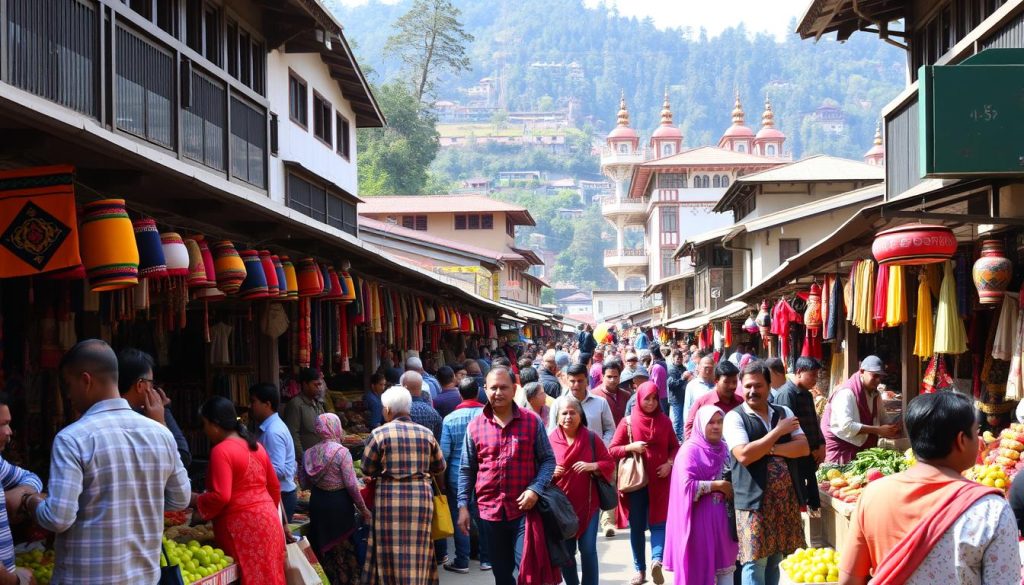
Moving beyond Lal Bazaar, MG Marg offers a different scene. It’s open from 8 am to 7 pm. Here, you find both traditional and modern shops. It’s a mix of old and new Sikkim.
The Directorate of Handicrafts and Handloom also showcases Sikkimese crafts. It’s been promoting these since 1957. Open from 10:30 am to 4:30 pm, it’s a place to see local art.
Places like Lal Bazaar and MG Marg allow visitors to see Sikkim’s daily life and crafts. These spots make Sikkim a unique place for travelers. They let you dive into the state’s rich culture.
Conclusion
In the journey to find Sikkim’s secret spots, we see its richness. The drive from Gangtok to Lachen and Yuksom shows its beauty and peace. Going to Zuluk or Ravangla feels like going back in time. Each road has its own stories.
Dzongu and Temi Tea Garden are Sikkim’s treasures. They show its peace and beauty. As visitors explore, they go from Lal Bazaar to Tashiding Monastery. Each place tells a part of Sikkim’s story.
Visiting Darap Village, we see local crafts. At Khecheopalri Lake, the water holds wishes. Sikkim’s heart lies away from the crowds. It’s in the Himalayas, waiting for explorers.
FAQ
What are some secret places to visit in Sikkim for a unique experience?
Sikkim has secret spots for a special visit. Zuluk shows a beautiful sunrise over Kanchenjunga. Thangu Monastery offers peace. Tashiding Monastery attracts those seeking spirit. Darap Village lets you see the Lepcha life. Khecheopalri Lake is sacred and peaceful.
Can you tell me more about Zuluk and its attractions?
Zuluk is a hidden gem in East Sikkim. It has amazing sunrise views over Kanchenjunga. It shows Lepcha culture and has old Silk Route trails. Thangu Monastery there is very peaceful.
What makes Tashiding Monastery special?
Tashiding Monastery is old and full of mystery. It’s in Sikkim, with great views all around. It’s a place where ancient Buddhist teachings are kept. Visitors find it very spiritual.
What experiences does Darap Village offer?
Darap Village has the traditional Lepcha lifestyle. Staying in Lepcha homes, watching weaving, and trying local food are experiences. It’s a deep cultural exchange.
Why is Khecheopalri Lake considered sacred?
Khecheopalri Lake is holy for Buddhists and Hindus. People believe it fulfills wishes and offers calm boat rides. Its gentle essence is important to Sikkim’s spiritual side.
How can I explore the lesser-known side of Gangtok?
For a unique Gangtok trip, see secret waterfalls like Bakthang. Visit old places like Kabi Lungchok. Check out the peaceful Namgyal Institute of Tibetology and Enchey Monastery.
What can I discover at the Namgyal Institute of Tibetology?
The Namgyal Institute of Tibetology holds spiritual history. It has many ancient items and one of Asia’s biggest libraries. It’s filled with Indo-Tibetan culture literature.
What is Enchey Monastery known for?
Enchey Monastery is over 200 years old and very peaceful. It has beautiful murals and prayer flags. It feels very spiritual, like much of Sikkim.
What can visitors experience at Lal Bazaar in Gangtok?
Lal Bazaar shows the colorful culture of Sikkim. It has busy markets, traditional foods, and craft shops. It’s a real look at Gangtok’s local life and culture.
Why is Sikkim considered a paradise for travelers seeking exclusive and secluded places?
Sikkim is perfect for those wanting hidden and quiet spots. It connects you with nature, spirituality, and culture. Sikkim’s secrets make every trip unique and personal.