Jehanabad, in Bihar, is home to more than 20 heritage sites. But many of us don’t know about them. These sites tell stories from the past. Yet, they are often overlooked. The local community is hard at work preserving these treasures. In fact, 35% of locals help keep their history alive. Their work ensures that future generations will know Jehanabad’s secrets.
Thanks to recent efforts, tourism revenue went up by 25%. This shows that Jehanabad’s hidden spots are indeed special. Visitors get to see ancient artifacts and stunning buildings. A lot of money is now set aside to keep these wonders safe for everyone.
Key Takeaways
- Jehanabad boasts over 20 identified heritage sites.
- 35% of the local population are engaged in heritage preservation activities.
- Tourism revenue increased by 25% due to newly highlighted heritage attractions.
- Heritage conservation efforts receive considerable budget support.
- The region’s rich historical narrative includes numerous artifacts and architectural wonders.
The Historical Significance of Barabar Caves
The Barabar Caves are in the Makhdumpur area of Jehanabad. They are from around 250 BC. This makes them the oldest cut-rock caves in India. These caves show the beauty of Mauryan art. They are very important for history and culture.
History and Origin
The Barabar Hill Caves include seven caves in two groups. Emperor Ashoka and his family ordered them made. The caves have old writings called Brahmi script. They mention leaders like Ashoka and Dasharatha Maurya. First, these caves were for the Ajivika people. They lived at the same time as Buddhists and Jains.
Architectural Style
The caves have a special design. They have super polished granite inside. This is called the “Mauryan polish.” Most caves have two rooms.
The Lomas Rishi Cave is very known. It has the first chaitya arch. Later, this arch was used in Buddhist and Jain temples. The Sudama cave was a gift from Ashoka in 261 BCE. The Karan Chaupar cave is known for its echo. All these show how smart Mauryan design was.
Cultural Influence
The Barabar Caves are in a beautiful green forest. They have a lot of plants and animals. They show that people of different religions can live together in peace. Later, Buddhist and Hindu styles were added to the caves.
The caves have a big cultural effect. They show the spiritual history of Jehanabad and India. Famous books mention these caves. E. M. Forster’s “A Passage to India” and Christopher C. Doyle’s “The Mahabharata Secret” are examples.
Exploring the Beauty of Kakolat Falls
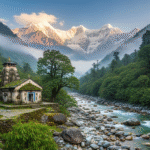
Kakolat Falls is a beautiful spot near Jehanabad. It’s surrounded by green plants. It offers a break from city life. The water falls down in a lovely way. This makes it great for people who love nature. It’s a perfect spot for fun and relaxation.
Natural Attractions
Kakolat Falls is a wonderful place in Jehanabad. It’s known for its amazing waterfall. The water drops from up to 160 feet high. This creates a beautiful scene. It’s a great place for taking pictures. Dense forests around the falls are full of life. It’s ideal for picnics and walks in nature.
Visitor Experience
Going to Kakolat Falls feels refreshing. The sound of water and greenery is very calming. It’s an experience you won’t forget. Visitors can bathe in natural pools. They can also explore the woods. Or, they can enjoy the quietness.
Getting to the waterfall is easy. This makes it good for short or long trips. People like the clean paths to see the falls. There are places to sit and signs to read. These things make a visit better. They teach about this special place in Jehanabad.
| Attraction | Description |
|---|---|
| Height of Falls | 150-160 feet |
| Best Time to Visit | During monsoon and winter |
| Activities | Bathing, Trekking, Picnicking |
| Facilities | Seating Areas, Information Boards |
Jehanabad Fort: A Symbol of Ancient Warfare
The Jehanabad Fort is an important piece of history. It shows us how people in ancient times defended themselves. Located in Jehanabad, this fort tells stories of many battles and rulers. It gives us a peek into how people fought wars long ago.
Historical Background
Jehanabad Fort was built when battles for land were common. Its location helped soldiers defend their area better. Many rulers added to the fort, making it stronger over time. The fort shows us the smart ways people protected themselves in the past.
Architectural Marvel
Jehanabad Fort is not just known for its battles. It’s also famous for its beautiful design. The builders used smart ideas to make it strong and look good. It has walls, towers, and ditches to stop enemies. The amazing carvings and designs show the skill of ancient architects.
Modern-Day Significance
Today, Jehanabad Fort is more than an old military spot. It connects us to our past and teaches us history. Many people visit to learn about the battles and how the fort was built. It’s an important place for learning and remembering Jehanabad’s heritage.
Shanti Stupa: A Beacon of Peace
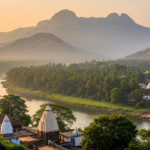
The Shanti Stupa overlooks Jehanabad with a sense of peace. Surrounded by greenery, it’s a special place. It shows the calmness of Buddhist teachings. This stupa is a key spot for finding peace in Jehanabad.
The Shanti Stupa is beautifully peaceful. It offers amazing views and a quiet spot for thought. It connects people to Jehanabad’s spiritual past. Visitors come here to feel calm and learn history.
Bihar has a deep history but is often overlooked by tourists. It’s home to the Shanti Stupa and ancient kingdoms. Despite fewer tourists, Bihar’s sites like the Shanti Stupa draw those seeking quiet and wisdom.
| Tourist Attraction | Significance | What to See |
|---|---|---|
| Shanti Stupa | Buddhist symbol of tranquility | Panoramic views, meditative space |
| Barabar Caves | Monastic retreats for Buddhist monks | Ancient rock-cut architecture |
| Nalanda University | Renowned center of Buddhist learning | Ancient ruins, archaeological museum |
| Mahabodhi Temple | Site of Buddha’s enlightenment | UNESCO World Heritage Site |
| Ghosrawan Stupa | Where Buddha delivered his final sermon | Historic stupa and relics |
Bihar has many cultural and historical gems. Places like Nalanda University and Mahabodhi Temple show India’s rich background. The Shanti Stupa, a symbol of peace, highlights the beauty of Jehanabad’s spiritual spots. It draws people from all over.
Introducing the Hidden Facts About Jehanabad
Jehanabad is full of untold stories and events. These stories make Jehanabad interesting and unique. They show us a place with deep history not everyone knows about. We’ll share some secrets of Jehanabad and why it’s special.
Untold Stories
Jehanabad is known for its many secrets. Like the Barabar Caves, made in 261 BC during Ashoka’s time. They are India’s oldest rock-cut caves. These caves share stories of the Ajivika sect and their time.
The caves also connect to “A Passage to India” by E.M. Forster. This makes them exciting for those who love books. Jehanabad’s old structures have many tales for those who listen.
Lesser-Known Historical Events
Jehanabad is more than its famous sights. It became a district in 1986 but was part of Gaya since 1872. It gets a lot of rain, especially during the monsoon season. The area mostly relies on farming. People grow rice, wheat, and maize here.
The Barabar and Nagarjuna Hills caves show Jehanabad’s past. Alexander Cunningham wrote about these caves in 1868. This helped the Western world learn about them. Jehanabad has a rich history and culture because of these places.
If you want to know more about Jehanabad’s past, visit its landmarks. They tell the stories of this amazing district.
| Cave | Features |
|---|---|
| Karan Choupar | Floor area: 10*4.2 meters |
| Lomas Rishi | Rectangular, partly polished mandapa |
| Sudama | Two-room structure adjacent to Lomas Rishi |
| Visva Zopri | Rectangular entrance, separate location |
The Cultural Tapestry of Ghuran Peer Baba Dargah
Ghuran Peer Baba Dargah is in Jehanabad. It is a beacon of spiritual unity. It is a hub for religious harmony Jehanabad. Tourists and locals go there to find peace. This peace shows the region’s cultural essence. The dargah brings different faiths together. It shows devotion and respect among various religions.

Religious Significance
The dargah has deep historical significance in Jehanabad’s spirituality. People from many backgrounds visit, adding to Bihar’s cultural mix. Hindus and Muslims live together in harmony here. This shows Jehanabad’s religious unity. About 93% are Hindus and 7% are Muslims. The dargah symbolizes their shared spirit.
Cultural Diversity
Ghuran Peer Baba Dargah reflects Jehanabad’s wide cultural mix. The area has many languages and traditions. It draws interest for its cultural experiences in Bihar. People speak Magahi, Hindi, and Urdu. They celebrate Chhath Puja, Diwali, and Eid together. These festivals show unity and respect among everyone.
Natural and Scenic Beauty of the Punpun River
The Punpun River flows beautifully through Jehanabad. It shows off the area’s natural beauty. People love to walk, picnic, or boat here, feeling close to nature.
The river makes Jehanabad’s outdoors special. It’s perfect for those who love nature. Peaceful and pretty, it offers a break from city life.
The river’s views are magical. They show why Jehanabad is known for its nature. The water and land together are stunning, delighting everyone who comes.
Diwan Manzil: A Glimpse into the Colonial Era
Learn about Diwan Manzil’s rich history. It’s a key piece of Jehanabad’s colonial past. In the British era, it was home to a high-ranking official. This building shows us the colonial era’s complexity and its building styles. Diwan Manzil combines western and Indian designs. It shows an important time in Jehanabad’s history.
Historical Importance
Diwan Manzil is very important historically. It’s linked to Jehanabad’s colonial history. Built when the British were powerful, it was an official’s house. Now, it’s a symbol of colonial rule’s architecture in Bihar. It helps us see the social and political environment back then.
Architectural Features
Diwan Manzil’s design features are special. They mix colonial and Indian styles. The building’s big front, large halls, and detailed work show its time’s tastes and needs. This great structure highlights Jehanabad’s colonial past. It’s also a key example of Bihar’s historical architecture.
The Rich History of Jehanabad Museum
The Jehanabad Museum protects our district’s cultural and historical treasures. It keeps the rich heritage of Jehanabad alive through the ages. This museum has a variety of collections that share Jehanabad’s growth story. They help teach visitors about its history.

Collections and Exhibits
The Jehanabad Museum has lots of amazing artifacts. You can see ancient sculptures and detailed relics. These collections show how rich our history is. You can see things from the Mauryan period to now. They provide a deep look into our cultural and historical changes.
Visitor Information
Visiting the Jehanabad Museum is a full and rich experience. It’s a great educational spot. It has guides and displays about museum artifacts Bihar. The museum works hard in Jehanabad heritage preservation. It’s open every day except public holidays. People of all ages are welcome. It’s perfect for those who love history and want to learn.
The Spiritual Ambiance of Makhdumpur
Makhdumpur is full of spiritual vibes. It’s close to Jehanabad spiritual sites. This spot in Jehanabad district is rich in history. It’s perfect for those seeking spiritual depth and local traditions. Many temples and sacred places make it very special.
Visitors explore its spiritual aspect through landmarks. The Makhdumpur Jama Masjid is a key Islamic site. Festivals and rituals show the area’s deep spirituality. The trip from Jehanabad to Makhdumpur is scenic, filled with historical wonders.
The adventure begins in Jehanabad. It covers 942 km to the spiritual site of Tirora. The drive takes about 18.6 hours. Stops include Varanasi, Allahabad, and Gaya. These cities offer unique traditions and heritage. This makes for an engaging journey.
This trip also visits spiritual places like Makhdumpur and Gochar. The trip from Jehanabad to Shahjahanpur covers 708 km. It takes about 11.9 hours. This route offers important spiritual and heritage sites.
Shahjahanpur is known for its connections and education. Attractions include Shahi Jama Masjid and Shahjahan Park. Allahabad’s Kumbh Mela and Lucknow’s Bara Imambara are key visits. They add depth to the spiritual experience.
Here’s a quick travel overview with distances and main sights:
| Location | Distance from Jehanabad | Estimated Travel Time | Notable Attractions |
|---|---|---|---|
| Shahjahanpur | 708 km | 11.9 hours | Shahi Jama Masjid, Shahjahan Park |
| Varanasi | 376 km | 6.5 hours | Ganges River Ghats |
| Allahabad | 485 km | 8.1 hours | Kumbh Mela site |
| Lucknow | 552 km | 9.3 hours | Bara Imambara |
| Kanpur | 620 km | 10.5 hours | Allen Forest Zoo, Bithoor |
Imambara: An Islamic Architectural Wonder
Jehanabad’s Imambara is a beacon of Islamic architectural skills. It wows visitors with its intricate designs and deep history. It shows the artistic and geometric skills found in Islamic design. It’s a place for worship and to admire the architectural heritage of the district.
Historical Background
The Imambara in Jehanabad has deep historical roots in Bihar. It shows traditions that are centuries old. Islamic design in Jehanabad grew under Mogul influence. “Indian and Eastern Architecture” by James Fergusson tells us this. The Temple at Buchropully and the Great Mosque at Mandu influenced the area’s design style.
Architectural Details
The Imambara is elegant and grand. It’s a leading example of Bihar’s architectural wonders. Fergusson’s book shows its detailed decoration. It talks about mosques and arches. The Imambara’s arches and pavilions reflect these styles. It’s a treasure for those interested in design and functionality.
Architects and calligraphers like Hashim Akhtar Naqvi get inspiration from such places. Hashim’s work in calligraphy fits well with the Imambara’s beauty. Visitors and scholars are amazed by its beauty and function. The Imambara shows the lasting legacy of Islamic design in Jehanabad. It’s a top architectural wonder in Bihar.
Conclusion
Jehanabad, is a special part of Bihar’s history and culture. It invites travelers to see its many wonders. The Barabar Caves are famous for their smooth walls and ancient history. Then, there’s the peaceful Kakolat Falls and the strong Jehanabad Fort. Each place has its own story.
The Barabar Caves show the cleverness of ancient people. They add to the area’s rich spiritual and design history. Exploring more, you’ll find places like the Shanti Stupa. And the Ghuran Peer Baba Dargah shows the area’s deep spiritual side. The Punpun River’s natural beauty and Diwan Manzil’s history are gems in Bihar. The Jehanabad Museum lets you see the area’s history up close.
The architectural beauty of the Imambara and Makhdumpur’s spiritual feel are important too. They show why Jehanabad is a meaningful place to visit. Learning about Jehanabad’s heritage means connecting with a unique story. It mixes old and new tales. Jehanabad is ready to win over visitors. It adds an important story to Bihar’s history. Visiting Jehanabad is unforgettable. It shows its hidden beauty and asks everyone to celebrate its rich history.
FAQ
What are some hidden facts about Jehanabad’s rich heritage?
Jehanabad’s rich heritage is less known than Bihar’s famous spots. It has ancient sites, cultural diversity, and unique places. Places like the Barabar Caves, Kakolat Falls, and Jehanabad Fort are there. They appeal to travelers wanting real experiences.
What is the historical significance of Barabar Caves?
The Barabar Caves are in Jehanabad’s Makhdumpur. They date back to the Maurya Empire. They are India’s oldest rock-cut caves. The caves have polished granite interiors. They are noted for inscriptions and their religious history. This history links to the Ajivika sect, Buddhism, and Hinduism.
Can you describe the architectural style of Barabar Caves?
The Barabar Caves are known for their polished granite interiors. They have ancient design features. The Lomas Rishi Cave has the earliest chaitya arch. This arch is important in Buddhist and Jain temples.
How have the Barabar Caves influenced cultural practices?
The Barabar Caves mix Ajivika, Buddhist, and Hindu elements. This mix shows India’s diverse spiritual tapestry. It underlines the region’s history of religious harmony.
What natural attractions can be found at Kakolat Falls?
Kakolat Falls is surrounded by greenery near Jehanabad. It offers a beautiful view with cascading waters. It’s a paradise for nature lovers. It’s perfect for relaxing and leisure.
What is the visitor experience like at Kakolat Falls?
Visitors at Kakolat Falls find peace and scenic beauty. They enjoy a refreshing environment. It’s great for picnics, day trips, and walks in nature.
What is the historical background of Jehanabad Fort?
Jehanabad Fort shows ancient warfare and defense strategies. It tells of wars and ruling dynasties. This adds a vital chapter to Jehanabad’s history.
Why is Jehanabad Fort considered an architectural marvel?
The fort’s design shows ancient building skills and military smarts. It is an impressive structure. It gives us insight into past defense strategies.
How does Jehanabad Fort serve modern-day significance?
Now, Jehanabad Fort is important for history and culture. It draws tourists and scholars. They come to explore its past and architectural beauty.
What makes Shanti Stupa a beacon of peace?
Shanti Stupa stands above Jehanabad. It is a Buddhist symbol of calm. It offers a quiet place and wide views. Here, visitors honor peace and spiritual beliefs.
What are some untold stories related to Jehanabad?
Jehanabad has many untold stories and hidden historical events. These stories are in its ancient buildings and culture. Travelers and scholars keen to learn will find Jehanabad’s rich past.
How does Ghuran Peer Baba Dargah signify cultural diversity?
Ghuran Peer Baba Dargah is a key place for religious practices in Jehanabad. It shows the area’s cultural unity. People from different backgrounds come here as pilgrims and visitors.
What natural and scenic beauty does the Punpun River offer?
The Punpun River is great for walks, picnics, and boat rides. Its quiet banks and lovely environment add to Jehanabad’s charm. It’s a symbol of beauty.
What is the historical importance of Diwan Manzil?
Diwan Manzil shows Jehanabad’s time under British rule. It was a minister’s home. Its architecture and value tell of that era in Jehanabad’s story.
What kind of exhibits can be found at Jehanabad Museum?
Jehanabad Museum has cultural and historical pieces. It has sculptures, relics, and stories of the district’s growth. It is a learning spot that shows Jehanabad’s rich culture.
What spiritual ambiance does Makhdumpur offer?
Makhdumpur is a spiritual part of Jehanabad. It has many temples and religious spots. It gives visitors a real feel of local spiritual life and traditions.
Why is Jehanabad’s Imambara considered an Islamic architectural wonder?
Jehanabad’s Imambara draws attention with its Islamic designs and history. The building shows art and geometric skill. It reflects the district’s rich architectural heritage.