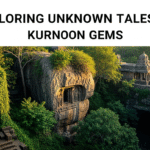
Gwalior Fort whispers ancient stories, standing tall through time. It is known as the “Gibraltar of India.” This fort is not just about battles. It shows the history of many rulers. The Tomars, Mughals, and Marathas all ruled here.
Travelers love Gwalior for its royal past. The city mixes history with friendly vibes. It’s easy on the wallet too. The Gwalior Fort enigma comes alive through its grand buildings. You’ll see amazing designs and statues there.
Huge statues from the 15th century stand tall at the fort. They show Gwalior’s role in Jain history. The city is not far from Gurgaon. It has great food and local crafts that won’t break the bank. The fort’s blue tiles show its artistic past.
Stree 2’s filming spots are nearby. They mix humor with a touch of mystery.
Key Takeaways
- Gwalior Fort, referred to as the “Gibraltar of India,” is a linchpin of India’s monumental history.
- Travel-friendly pricing allows for an extensive exploration of Gwalior’s rich cultural fabric.
- The fort’s domains were once ruled by dynasties famed for their valor and vision.
- Architectural marvels within the fort reflect an enchanting medley of regional styles.
- The city’s markets offer traditional handicrafts and souvenirs, ensuring the journey is memorable and within budget.
- Accommodation options are plentiful, balancing cost and comfort for visitors.
- Significant Jain sculptures adorn the cliffs of the Gwalior Fort, epitomizing religious and artistic achievement.
The Enigmatic Origins of Gwalior Fort
The story of Gwalior Fort is full of legend and battles for power. It stands on a rocky hill above Gwalior city. The fort shows India’s changing history and its rich culture.
A Foundation Steeped in Legend
Gwalior Fort’s history starts with an amazing legend. The story is about a sage named Gwalipa. His healing powers saved a king, leading to the fort’s creation. This mix of magic and history makes the fort very special.
The Struggle for Power and Dominion
Gwalior Fort has a big role in India’s history. Many rulers fought to control it. This shows how important the fort was.
Its legacy is not just its strength but also its role in history. Rajputs, Mughals, and the British all left their mark here. The fort’s design and rules changed with each era. It holds secrets of India’s past.
Historical Impact Table:
| Event | Impact on Gwalior Fort | Year |
|---|---|---|
| Construction Begins | Establishment of Gwalior Fort as a significant power center in medieval India | 8th Century |
| Man Singh Palace built | Addition of exquisite architectural styles and fortifications | 15th Century |
| Mughal Emperor Akbar’s Siege | Fort becomes part of the vast Mughal Empire, which enhances its strategic relevance | 1569 |
| British Control | Incorporated into the assets of the British Raj, used as a prison | 18th-19th Century |
This table shows key events in Gwalior Fort’s history. Each event helped shape the fort and its story. It shows the fort’s big role in India’s culture.
Mysterious history of Gwalior Fort
In the heart of India, Gwalior Fort is a big sign of the area’s mysterious past. It’s known for its Gwalior Fort historical mysteries and Gwalior Fort hidden stories. This big building has caught the attention of many historians and tourists. It sits high on a huge rocky mountain in the Gird region of North India. From there, it gives a great view and hides secrets that are hundreds of years old.
The fort’s story is closely linked to the city of Gwalior itself. The city got its name from the sage Gwaliap. This hints at a holy start. Scholars and historians find the different layers of human life here very interesting. This place has been home to many people over the years. From the time Toraman Kachwaha first made it to the time of the Pratihars and after. Each time added its own story to the Gwalior Fort hidden stories.
The fort has some secret tunnels. People think these were used by royals to escape during attacks. These bits of history are part of the bigger Gwalior Fort historical mysteries. Stories that draw in both experts and anyone visiting. The fort is also near other historic places in Madhya Pradesh, like Jahaz Mahal in Mandu. This makes it even more interesting, showing a rich history ready to be found.
- The fort’s design tells us about the military plans of its time. It’s both beautiful and practical.
- Many myths surround the fort. Locals and guides tell stories of ghosts and old curses.
- Its place on the map, at 26.22°N, 78.18°E, shows its important role in Gwalior’s history.
So, Gwalior Fort is more than just old ruins. It’s a light on the many stories that make up this area’s culture. When you walk through its halls and up its big walls, the fort offers more than great views. It shares the old Gwalior Fort historical mysteries. Making each visit like a trip through history.
The Many Layers of Gwalior Fort’s Architecture
Gwalior Fort sits on a rocky hill in Madhya Pradesh, India. It’s a symbol of Indian forts’ grandeur and a deep look into various architectural styles. Over centuries, its architecture tells stories of cultural influences and military smarts.
The Unique Blend of Cultural Influences
Gwalior Fort’s design shows different cultural influences. It has styles from the Tomars, Mughals, and the British period. Each part of the fort tells a story from a specific time, making it a mix of historical tales.
https://www.youtube.com/watch?v=FbbU18W7qX4
The Defensive Prowess of the Fort
The fort isn’t just beautiful, it’s also strategically designed. Its walls and gates were made to stop invasions. The building methods were ahead of their time, focusing on defense.
| Architectural Feature | Purpose | Cultural Influence |
|---|---|---|
| High stone walls | Defense against invaders | Indigenous techniques/ Mughal adaptations |
| Intricate carvings | Aesthetic and spiritual relevance | Rajput and later Mughal |
| Advanced sound engineering | Communication and security | Blend of native genius and Persian influences |
The mix of art and military strategy in Gwalior Fort’s design is still celebrated. It shows how culture can shape places in lasting ways.
Gwalior Fort’s Place in Indian History
Gwalior Fort is a key piece of India’s history. It shows the long story of the country. This huge fort has seen many important events and changes. Each one helps tell India’s story.
Many powerful kings, like the Kachwaha Rajputs and the Tomars, once lived here. They added their own stories of courage and smart building. The fort kept growing with each new ruler, adding their own mark.
Inside Gwalior Fort, you can find many amazing things. The Teli Ka Mandir temple is very tall and honors Lord Vishnu. The Sas-Bahu Temples are detailed and beautiful. The Sun Temple, made by G.D. Birla, honors the Sun God. It draws lots of visitors every year.
The fort is in a key spot that connects different cities. It’s not far from Delhi or Agra. With the nearby airport and train station, it’s easy for people to come visit.
Near the fort, there are huge Jain Monuments carved into rock. They go back between the 7th and 15th centuries. A big statue of Parshvanatha shows Gwalior’s deep spiritual side.
| Monument | Period | Significance | Accessibility |
|---|---|---|---|
| Gopachal Rock-cut Jain Monuments | 7th-15th Century | Rich carvings of Jain Tirthankaras | 10 km from Rajmata Vijaya Raje Scindia Airport |
| Sun Temple | Latter half of the 20th century | Modern temple dedicated to Sun God Surya | Well-connected by road |
| Teli Ka Mandir | Unknown | 100-foot tall shikhara, dedicated to Lord Vishnu | Within Gwalior Fort complex |
Gwalior Fort is more than just a site. It’s a living story of India’s past. It shows the rich history and culture of the country. It’s still important today.
The Legends and Lore Surrounding Gwalior Fort
Gwalior Fort’s magic goes beyond its grand looks. It’s wrapped in legends and stories. Every stone at this fort has a story, filled with Gwalior Fort legend and Gwalior Fort paranormal stories. They fascinate visitors and historians.
Cursed Fortresses and Mystic Heroes
One famous story is about the fort being cursed by a mystic hero. His spirit is said to guard the fort. This story is a key part of Gwalior Fort paranormal stories. It adds a spooky charm to the fort.
Untold Tales of the Paranormal
The fort is known for its old military design and eerie tales. People talk about ghosts and unexplained events here. This makes Gwalior Fort a top topic when discussing Gwalior Fort legend.
These tales are more than just stories. They show the deep cultural and mystical sides of Gwalior Fort. The ghostly stories draw in both researchers and those into the supernatural.
The legends have a big impact. They shape how people see Gwalior Fort’s history. These stories make the visit more thrilling. They add mystery to the fort tour.
The Royal Lineage and Gwalior Fort’s Patrons
The story of Gwalior Fort is tied to its Royal Lineage. Many dynasties have added to its fame over time. They have helped shape its look and feel. The fort’s beauty shows the dreams of its rulers. They have made a lasting impact on it.
Looking at the fort’s patrons, we see its many uses. It was more than a safe place. It was a place of royal shows and government work too. The Gwalior Fort patrons made it look grand. Their work shows their power and style over time.

The fort’s design and art tell stories of the past. It has strong walls and lovely carvings. The art and architecture from Gwalior’s royals show their culture and creativity.
Now, Gwalior Fort is a symbol of its military past and its royal support. The Royal Lineage did more than build. They made it a place of culture that lasts. It attracts people from all over with its rich history.
The history of Gwalior Fort and its leaders is fascinating. It shows how buildings and history mix with powerful lives. The fort’s story is about dreams, art, and royal care. It’s held up by the great Gwalior Fort patrons.
Artistic Marvels Within the Walls of Gwalior Fort
Inside Gwalior Fort, visitors find amazing Artistic Marvels of Gwalior Fort. The Gwalior Fort carvings are a highlight. They are beautifully made on the fort’s sandstone walls. They show Jain myths and ancient daily life scenes. These artworks let us see the religious and cultural beliefs of that time.
Carvings and Statues of Divine Proportions
The Gopachal Rock-cut Jain Monuments inside the fort show peak artistic work. The biggest statue is of Parshvanatha, at 47 feet tall. These were made by the Tomar dynasty and later, the Mughals added to them. Dating from the 7th to 15th centuries, they are some of the oldest Jain monuments in India. They show Gwalior’s big role in medieval Indian architecture and link us to its rich history.
Ingenious Water Management Systems and Structures
The fort’s design shows deep engineering knowledge and sustainable ideas. The water systems are especially clever. They collected rainwater to use during droughts. This shows a high level of understanding of water technology. It also shows how advanced these old structures were in terms of usefulness and sustainability.
Efforts from the Archaeological Survey of India help preserve these Artistic Marvels of Gwalior Fort. They keep the history alive for us to see and learn. Educational events and cultural programs share knowledge about these places. They make sure the history and skills shown at Gwalior Fort continue to be known.
Gwalior Fort During Battles and Sieges
The Gwalior Fort has a story filled with intense battles and long standoffs. This fort saw a lot of peace times too. But, it was mainly in the middle of big fights in Indian history. This fort could stand strong in wars. That tells us how well it was made. It also shows the smart plans of those who protected it.
The Test of Time and Conflict
Gwalior Fort faced many battles over time. These showed how strong and useful it was for military protection. Its high location and strong build were key for many leaders and invaders. The stories about bravery and sieges at this fort highlight its defense role. It also tells of its role in preserving history.
Strategic Importance Throughout Centuries
For many years, Gwalior Fort was very important. It was a treasure that India’s leaders wanted. Its high view and strong defenses were key to winning power fights. With sturdy walls, secret paths, and big gates, it was crucial in many battles.
| Event | Year | Outcome |
|---|---|---|
| First Documented Siege | 1398 | Fort Held Strong |
| Control Seized by Scindias | 1754 | Strategic Hold Established |
| British Control after Rebellion | 1858 | Fort Used as Prison |
| Indian Independence | 1947 | Fort Turned into Heritage Site |
The timeline of Gwalior Fort is quite meaningful. It shows us its big role in the area’s politics. Each event at the fort changed its future. It also swung local and national stories. Gwalior Fort is a symbol of India’s vast, eventful history. Many who love history, scholars, and visitors go there. They all want to learn its stories, kept through many years of wars and changes.
The Hidden Chambers and Tunnels of Gwalior Fort
Gwalior Fort has a story as interesting as its design. It has secret chambers and tunnels. This makes the fort mysterious and shows the clever planning of long ago. People wonder if these places were for hiding, escaping, or secret tasks.
Old stories and history say these tunnels were used in sieges. They were for moving secretly and keeping things safe. Building them took careful planning. They needed to know the land well. This kept enemies and sometimes other insiders from finding them.

The secret chambers in Gwalior Fort are special for many reasons. Some think they were for private leader meetings. Others say they held treasure or were for unknown rituals.
- Subterranean architecture serving strategic military purposes
- Chambers potentially functioning as emergency sanctuaries during attacks
- Complex tunnel networks facilitating undetected transportation of goods or troops
| Possible Purpose | Features | Historical Significance |
|---|---|---|
| Strategic Military Routes | Secure, hidden pathways | Facilitated clandestine movements during conflicts |
| Treasury Vaults | Secluded, protected spaces | Stored valuables and royal artifacts safely |
| Mysterious Ritual Sites | Enclosed, private areas | Possible venue for private royal or spiritual ceremonies |
The hidden tunnels and secret chambers of Gwalior Fort still fascinate many. Each dark passageway and room might tell us old tales. They hold secrets of strategy, royal mysteries, or lost cultures. These stories add to India’s rich history.
Preservation Efforts and Archaeological Findings
The Gwalior Fort is very important in history. It’s also a key place for saving it well and finding cool old things. These actions help us understand its history and keep it beautiful for those who will see it later.
Recent Discoveries Enhancing Gwalior’s Enigma
Recent archaeological findings have given us new things to think about Gwalior Fort’s past. The Gopachal Rock-cut Jain Monuments show the hard work and belief of people from before. They are from the 7th to the 15th centuries. The Archaeological Survey of India (ASI) takes good care of them. This shows how committed they are to keeping Gwalior Fort safe.
Challenges of Modern-day Conservation
Saving old buildings and places today is hard. We need to take serious steps. This is to protect them from harm caused by nature and people. This will help keep them safe for future kids to learn about and enjoy.
| Monument | Era | Height of Largest Statue | Preservation Agency |
|---|---|---|---|
| Gopachal Rock-cut Jain Monuments | 7th-15th century | 47 feet (Parshvanatha) | Archaeological Survey of India |
| Gwalior Fort | Varies | N/A | Local and National Preservation Efforts |
Good preservation plans, public care, and respect help these places last longer. Teaching people and having respectful visitors matter a lot. They help in keeping these special spots safe and admired by many.
Exploring Gwalior Fort: A Guide for Tourists
Are you interested in history and architecture? A tourist guide to Gwalior Fort is perfect for you. This fort shows India’s amazing past. Visiting Gwalior Fort is a must when in Madhya Pradesh.
How to Experience the Fort’s Mysterious Past
Join the guided tours to dive into the fort’s old tales. These tours tell about Gwalior Fort’s history. You’ll hear exciting stories from smart guides.
Must-See Highlights During Your Visit
You must see some special spots in Gwalior Fort. Don’t miss the Man Mandir Palace with its stunning tiles. See the Sas-Bahu Temple’s amazing carvings too.
Check out the nearby Gopachal Rock-cut Jain Monuments. These sculptures are peaceful yet grand. The towering Parshvanatha statue is also a must-see.
Plan your visit between October and March. The weather is lovely, making it great for exploring. This time is cooler and avoids heavy rain.
Getting to Gwalior is easy. The Gwalior Junction railway station is close. So is Rajmata Vijaya Raje Scindia Airport. Driving? Gwalior is well-connected.
If you love history or want to see India’s heritage, Gwalior Fort is great. This guide will make your trip unforgettable.
Conclusion
Gwalior Fort’s history is a big part of India’s culture. It fascinates many who visit or study it. Its walls keep many secrets of past leaders and wars. They also share old stories. The fort’s mystery is linked to its strong look. It tells stories of the area’s past strength and beauty.
The fort’s design shows the great skills of the Kachwahas. Different cultural touches decorate its halls. This shows the creativity of its builders and the smartness of its leaders.
The fort’s charm has only grown over time. People from all over want to learn its secrets. Gwalior Fort’s history shows both beauty and history. Places like the Sheesh Mahal and Baradari Garden show India’s past. But it’s the spirit of the place that really touches visitors and historians.
Gwalior Fort is more than just a building. It is a living story of India, mixing past wins and losses. As the world changes, the fort keeps guarding its stories. It invites future generations to explore and find history’s traces. This ensures the story of Gwalior Fort will never be forgotten.
FAQ
What are the ancient tales associated with Gwalior Fort’s mysterious history?
Gwalior Fort is known for its ancient stories. This includes the tale of the sage Gwalipa. His healing powers influenced the fort’s location and name. Legends and folklore add mystery to its past.
How did the legends shape the historical significance of Gwalior Fort?
Legends like the story of Gwalipa and Queen Mrignayani made the fort famous. They showed its mystical and royal power. These stories helped shape the fort’s historical identity.
What are some of the unique architectural features of Gwalior Fort?
Gwalior Fort’s architecture shows different cultural influences. It has strong defenses, beautiful carvings, and temples. The fort also has advanced water systems, showing the ancient architects’ skills.
What was the role of Gwalior Fort in Indian history?
Gwalior Fort was central in Indian history. It was the heart of many dynasties. It saw battles and power changes. Many rulers, including the Tomars and Mughals, left their mark here.
Can you tell us about the paranormal stories associated with Gwalior Fort?
Gwalior Fort has many ghost stories. One is about a king’s curse who was imprisoned there. These tales create a mysterious feel around the fort.
Who were some of the notable patrons responsible for the maintenance and expansion of Gwalior Fort?
Kings and dynasties have helped improve Gwalior Fort. King Raja Man Singh built palaces and temples there. The Scindia dynasty also helped protect the fort.
What are some of the artistic marvels found within Gwalior Fort?
The fort is home to beautiful artworks. This includes the Sas-Bahu Temple and Teli ka Mandir. There are also Jain rock-cut sculptures. The carvings show ancient artisans’ great skills.
How did Gwalior Fort fare during battles and sieges?
Gwalior Fort faced many battles thanks to its location and strong defenses. It bravely resisted attacks by leaders like Iltutmish and Babur. Its military history is legendary.
What is the significance of the hidden tunnels and secret chambers in Gwalior Fort?
The fort’s hidden tunnels and chambers likely had several uses. They could be escape routes or places for resource storage. These secrets add to the fort’s mystery.
How are preservation efforts and archaeological findings contributing to Gwalior Fort’s history?
Work to preserve Gwalior Fort and archaeological discoveries are very important. They teach us more about its history and keep the ancient buildings safe for the future.
What must-see highlights should tourists not miss when visiting Gwalior Fort?
Visitors should see the Man Mandir Palace and enjoy the views from the fort. Don’t miss the Saas-Bahu Temples or the Teli ka Mandir’s carvings. The evening sound and light show is also great.