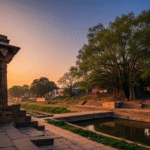
About 300,000 people visit Yaganti Temple each year. It’s a big deal in Hindu travel in the Andhra Pradesh area. This calm spot has lots of history and beauty that draws folks from every corner of the world. The old temple tells stories of love and secrets, keeping its architectural beauty alive.
Folks diving into Yaganti’s secrets will discover many cool stories from its rich history. The temple is a place to pray and shows off old architecture that’s still standing strong. Are you ready to find out the mysteries of this amazing temple? Let’s start the adventure into Yaganti’s heart.
Key Takeaways
- The Yaganti Temple attracts around 300,000 pilgrims each year.
- It holds historical significance as a key Hindu pilgrimage site.
- Visitors can admire the unique features of ancient architecture represented in the temple’s design.
- The temple houses various stories and legends, enriching the spiritual experience.
- Yaganti serves as both a place of worship and a cultural landmark.
Introduction to Yaganti
Yaganti is a very special place for many people. It’s famous for the Yaganti Temple, which is for Lord Shiva. The temple is around beautiful hills. It makes the visit spiritual. Visitors also explore traditions and stories of this holy place.
The temple has a Nandi idol that grows on its own. This surprises both visitors and experts. There’s also the Ardhanareeswara Idol. It shows a mix of male and female powers. These parts of Yaganti help people find deep spiritual meanings.
There is a sacred pond called Pushkarini. People think it can heal. There are also Agastya and Venkateswara caves full of spiritual tales. Going to Yaganti is a deep experience. It connects visitors with the divine. It shows the culture of this amazing place. The mix of nature, spirit, and history is very inviting.
The Location of Yaganti Temple
The Yaganti Temple is in the Nallamala Hills in Andhra Pradesh. It is a place of peace and beauty. Both pilgrims and tourists find it perfect.
The place is known for its green forests and rugged terrain. It gives a peaceful feeling for both reflection and worship.
Geographical Significance
The temple sits uniquely in the Nallamala range. It’s surroundings boost its spiritual feel. People love the calm here, which helps them find a deeper spirituality.
How to Reach Yaganti
Getting to Yaganti is not hard. You can come from cities like Banaganapalle and Kurnool by road. The train stations of Kurnool and Nandyal are about 50 kilometers away.
There are buses and private cars that go there a lot. So, the trip to the temple is easy.
Yaganti Temple History
The Yaganti Temple has a rich history. It goes back to the 5th or 6th century CE. It is known for its divine feel. The place became special when Saint Agastya visited. He made the site holy.
The Founding Narratives
The temple is beautiful and full of faith. Saint Agastya’s visit made it very important to people. Inside, there’s a growing Nandi statue. It draws many curious minds and believers. They come to learn its secrets.
Historical Figures Associated with Yaganti
Many important people have been part of the Yaganti Temple’s story. Kings Harihara and Bukka were key. They helped make the temple great. Their work made Yaganti a cultural spot. We remember them for making the temple what it is today.
Secrets of Yaganti
The Secrets of Yaganti are full of surprise and wonder. This temple hides many mysteries, such as the growing Shiva Lingam. People see the sacred stone get taller over time. This amazing event draws many, making them think about the divine’s power.
Enigmatic Aspects of the Temple
Yaganti Temple has parts that amaze many. Some find a deeper bond with the divine here. The carvings and old parts of the temple raise many questions.
Each guest feels a pull to uncover deep spiritual secrets.
Historical Mysteries and Theories
The temple’s past is filled with questions. Legends suggest it links to olden times. Many ideas have come up about its history and rituals.
Ancient writings within also intrigue scholars for more study.
Modern Interpretations of the Secrets
Today, Yaganti’s secrets lead to personal discoveries. People see the temple as a start for change. It offers insights into their lives and the past’s mystique.

| Aspect | Description |
|---|---|
| Shiva Lingam Growth | The Shiva Lingam at Yaganti reportedly increases in height, reinforcing its divine status. |
| Architectural Features | Intricate carvings and structures that inspire reflection on their historical significance. |
| Founding Narratives | Legends that suggest ancient connections and the temple’s origin. |
| Ancient Scripts | Scripts found within the temple complex offer avenues for historical research. |
| Spiritual Experiences | Visitors often report transformative moments of clarity and personal insight. |
Yaganti Caves and Their Significance
The Yaganti caves are near the stunning Yaganti Temple. They draw folks wanting to see their secrets. These old rocks share the spiritual and historical tales of the area. Going into these caves feels magical, making a visit a must for those learning about the locale.
Exploring the Yaganti Caves
People love the amazing beauty of the Yaganti caves and their myth stories on the walls. The entrance, called “Sila Thoranam,” has a big natural arch. It welcomes everyone. Once inside, the dark, slim paths make visitors use lights to see better.
The caves are not just about natural beauty. They also show the life of people who long ago lived in caves. This makes the site very interesting. It attracts those who love history and want to learn the cave stories.
Spiritual Importance of the Caves
The Yaganti caves are very special to those who follow Lord Shiva. Many think these caves can heal, making them great for quiet thinking. Here, people find calm and look inside themselves for peace.
Also, the rich history of these caves makes them important. They’re more than just a place to explore. They offer a deep spiritual journey. Visitors remember their visit for a long time, touched by the caves’ sacred feel.
Yaganti Temple Architecture
The Yaganti Temple shows off the rich Dravidian style seen in many South Indian temples. It mixes beautiful art with deep religious meaning. This temple was built around the 5th or 6th century, lasting through many years.
Stylistic Features
The Yaganti Temple is known for its detailed art and sculptures. These tell stories of gods and celebrate the divine. The craftsmanship makes the temple look magnificent. A decorative tower adds to its stunning look.
Influences of Ancient Architecture
Yaganti Temple’s design is inspired by old South Indian temples. This includes the detailed portrayal of Hindu gods and the layout. This mix of ancient styles makes the temple a special place for people visiting.
Visual Elements of the Temple
The temple draws in many people each year. It has colorful frescoes and statues showcasing old times’ skills. The mix of nature and art creates a peaceful place. People come here for worship and to enjoy the art. The visual elements of Yaganti Temple bring a special charm.

Legends Surrounding Yaganti Temple
The Yaganti Temple has many stories linked to gods and magic. Many tales tell us about the temple’s holy past. These stories capture the hearts of visitors and believers.
Myths and Folklore
One famous story is about Sage Agastya and Lord Venkateswara. Sage Agastya wanted to see Lord Venkateswara as a Shiva Linga. This story shows the temple’s deep spiritual meaning. Another tale is about the Nandi statue that grows by itself. This has amazed many people and added to the temple’s mystic charm.
Fascinating Stories from Pilgrims
Pilgrims to Yaganti share many amazing stories. They talk about miracles and special moments they had there. Many speak of the Pushkarini pond’s healing waters. These stories make the temple even more inviting for others seeking spiritual journeys.
Yaganti Temple Timings Today
The Yaganti Temple is open every day. It offers a calm place for thought and prayer. The doors open at 6:00 AM and close at 8:30 PM. Each visitor has a good chance to worship and look around the temple.
Weekend and holiday hours at Yaganti might change. It’s smart to check the latest hours for these special days. Morning Aarti starts at 6:30 AM, afternoon at 12:00 PM, and evening at 7:00 PM. Joining Aarti is a good idea for visitors.
The best time to visit is from October to March. The weather is nicer then. There are cool places to see nearby, like the Belum Caves and Mahanandi Temple. Visiting Yaganti can become a special trip. For more on spiritual connections, check out this source.
FAQ
What are the visiting hours for Yaganti Temple?
Yaganti Temple opens early in the morning. It closes by evening. Check local resources for exact times on weekends and festivals.
Where is Yaganti Temple located?
Yaganti Temple sits in Nallamala Hills, Andhra Pradesh, India. It’s surrounded by forests and rugged terrain. This makes it a peaceful place for those seeking spirit.
What is the significance of the Yaganti caves?
The Yaganti Caves are sacred and believed to heal. They have mythological carvings. The caves are great for meditation.
What is the architectural style of Yaganti Temple?
Yaganti Temple displays the Dravidian style. It has intricate carvings and sculptures of Hindu deities. These reflect the Vijayanagara Empire’s artisan skill.
Are there any legends associated with Yaganti Temple?
Yes, Yaganti Temple has fascinating legends. They tell of Lord Shiva’s miracles. These stories deepen the bond of devotees to the temple.
How is Yaganti Temple connected to its historical figures?
Kings Harihara and Bukka of Vijayanagara helped develop Yaganti. They added to its architecture and cultural setting.
What are the secrets of Yaganti Temple?
Yaganti hides secrets like its growing Shiva Lingam and historic mysteries. These appeal to both spiritual seekers and historians. They provide deeper insights.
How can one reach Yaganti Temple?
You can reach Yaganti Temple by road from Banaganapalle or Kurnool. The nearest train stations are Kurnool and Nandyal. Buses and cars also go there.