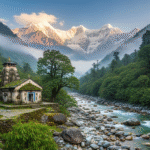
Did you know Karnataka has some very mysterious lakes? Many hide in the green Western Ghats. These beautiful lakes attract explorers with their looks and stories.
Karnataka is full of natural surprises. It’s perfect for those who love nature and adventure. From high mountains in Coorg to quiet waters in Bangalore, each place has its story. Let’s start our journey to discover Karnataka’s mysterious lakes together.
Key Takeaways
- Karnataka is home to numerous mysterious lakes that lure visitors with their natural beauty and folklore.
- These lakes are situated in diverse locations, from the Western Ghats to bustling cities.
- Kudremukh, Coorg, and Bellandur are among the key places to visit for these enigmatic bodies of water.
- Activities around these lakes range from adventures like trekking and wildlife safaris to serene nature walks.
- Karnataka’s lakes often carry legends and historical significance, adding to their mystique.
- Conservation efforts are underway to preserve these natural wonders for future generations.
- Exploring these lakes offers a rich cultural and environmental experience, ideal for both nature lovers and history enthusiasts.
Introduction to Mysterious Lakes in Karnataka
Karnataka is known for its colorful festivals and beautiful landscapes. It has many secret lakes waiting to be explored. These hidden gems are full of mysteries and surrounded by nature’s beauty.
Some lakes in Karnataka are really old and important to its history. People travel from far to see what secrets these lakes hold. This mysterious lakes Karnataka guide will show you their stories and secrets.
In Kudremukh National Park, there is a special lake near Lakya Dam. It’s famous for its beauty and the stories it tells. The Lakya Dam itself is known for its amazing design.
Exploring Karnataka’s mysterious lakes also means learning their old tales. For example, Shettihalli Church is under water. And Bellandur Lake is famous for its foam. These lakes are not just beautiful, but they also have interesting histories.
Here’s a look at some famous lakes in India to compare with those in Karnataka:
| Lake | Location | Key Feature | Surface Area | Maximum Length |
|---|---|---|---|---|
| Lonar Lake | Maharashtra | Crater Lake | 1.13 km² | 1,830 m |
| Pangong Tso | Jammu & Kashmir | Famed for Scenery | 700 km² | 134 km |
| Bhimtal Lake | Uttarakhand | Largest in the Region | 47.8 hectares | 4.5 km |
| Chilika Lake | Odisha | Birdwatching Haven | 1,165 km² | 64.3 km |
| Dal Lake | Kashmir | “Jewel” of Srinagar | 22 km² | 7.44 km |
If you’re curious about the mysteries of Karnataka’s lakes, this guide is perfect. It will lead you on an amazing adventure. You’ll discover the charming stories of these lakes.
Kudremukh National Park: The Hidden Gem Near Lakya Dam
Kudremukh National Park is in the beautiful Western Ghats. It’s perfect for nature lovers and adventurers. It’s near Lakya Dam, showing how humans and nature can work together. This park is part of the Western Ghats recognized by UNESCO.
The park is known for its horse-face shaped peak. The trek covers 9 km through forests and rivers. At the top, 5,751 feet high, you see amazing views.
https://www.youtube.com/watch?v=l1rOVQuuXOc
Chikmagalur is nearby, a great place to start exploring. It’s close to Agumbe, Coorg, Mysore, and Bandipur National Park. From Chikmagalur, it’s 106 km to Kudremukh. You’ll find Lakya Dam, Kadamnu Falls, and Kyatanamakki Hills.
Kudremukh National Park focuses on protecting nature. It’s full of different plants and animals, like tigers and birds. It’s a special place for those who love nature.
The best time to visit is after the monsoon, from September to March. The weather and trails are at their best. Mullayanagiri Trek and Baba Budangiri Trek are also great to do then.
Before trekking in the park, get permission from the forest department. For tips and details on the Kudremukh Trek, check out this trekking guide.
Lakya Dam: An Engineering Marvel
Lakya Dam sits within Kudremukh National Park, showing off both human skill and care for nature. This dam combines new tech with the stunning Western Ghats.
Historical Background of Lakya Dam
Lakya Dam started in 1994 to help the environment hurt by mining. North British Properties p.l.c. led the charge. Their hard work shows a desire to keep nature safe while meeting needs.
Geographical Location of Lakya Dam
Lakya Dam is in Kudremukh National Park. It’s a perfect example of engineering that thinks about the environment. It’s in the Western Ghats, a special place for nature, showing how carefully it was built.
Tourism and Accessibility of Lakya Dam
People come from Kalasa town to see Lakya Dam. Visitors can trek, watch birds, and enjoy nature. This dam helps the local area grow, mixing nature and progress nicely.
Facilities and Activities Around Lakya Dam
Lakya Dam offers boat rides, treks, and places for picnics and walks. This area lets you enjoy peace and admire how smart Lakya Dam Kudremukh is.
| Attractions | Activities |
|---|---|
| Lakya Dam | Boating, Nature Walks |
| Kudremukh National Park | Trekking, Birdwatching |
Lakya Dam is more than a great work of engineering. It shows how cleverly humans and nature can work together. In Kudremukh, it stands for a bright future where both can thrive.
Shettihalli Church: The Submerged Wonder
The Shettihalli Church is close to Hassan in Karnataka. It’s an amazing mix of history and Gothic design. Built in the 1860s by French missionaries, it gets partly under water every year. This happens because of the Hemavati Dam built in the 1960s. It attracts visitors and photographers every year.
The Mystery of Seasonal Submersion
Each year, in the monsoon season, the Shettihalli Church in Karnataka changes. The rising Hemavati River waters cover the church, showing just a part above water. This happens from July to October. It looks hauntingly beautiful with its Gothic arches and serene setting. The church has become a sign of nature taking back what humans made.

Visiting Shettihalli Church
Going to Shettihalli Church Karnataka is an easy trip. It’s 200 km from Bangalore and 130 km from Mysore. You can go by road or rail. Buses go to Hassan often. From there, take local transport to Shettihalli. You can also hire boatmen to see the church from the water. The best times to visit are December to May or July to October.
Photographic Opportunities
Shettihalli Church is perfect for photographers. Its underwater part offers great chances for cool photos. The church is great for night sky photos too. You can try different photography tricks to get awesome pictures. The mix of Gothic style and natural beauty gives stunning photos.
Breathtaking Bellandur Lake and its Infamous Foam
Bellandur Lake in Bangalore is known for its thick, white foam. This foam is not just a sight to see. It signals environmental problems.
Understanding Bellandur Lake’s Foam Phenomenon
Untreated sewage and detergents cause the foam in Bellandur Lake. These pollutants make the water frothy, especially when it’s windy or the water moves. This foam sometimes spills onto roads. It causes health problems for people and harms the environment.
Research Efforts and Findings
The Indian Institute of Science (IISc) has done a lot of research on this. Their work helps us understand why the lake foams. They found out what pollutants are in the lake. They showed how important it is to clean up our water. Improved sewage treatments and stricter rules for waste are needed to fix this issue.
Adventure Trekking to Roopkund Lake
Roopkund Lake trek is known for its beauty and mystery. It takes you to 4,800 meters high in the Himalayas. Here, you find Skeleton Lake, full of over 500 human skeletons. This journey is tough but shows you a part of history.

The Allure of a Skeleton Lake
The history of Skeleton Lake is both interesting and spooky. Researchers at Oxford University found these skeletons are from the 9th century. The lake is so high up, it kept the remains well. Many think these people died in a disaster or were part of a ritual. This mystery attracts many trekkers.
Understanding the History and Lore
People found Roopkund Lake with old remains dating back to between the 12th century and 1515. Some believe a terrible storm killed these travelers. Others think it was a pilgrimage gone wrong. The stories and research make this place very intriguing. Trekking here means exploring a unique part of history.
Trekking Experience and Challenges
The trek to Roopkund Lake takes 7 nights and 8 days. It starts at Lohajung base camp and goes 6.5 kilometers. It’s a challenging trek, so come prepared. Trekkers need to bring:
- Backpacks (50-60 liters)
- Base layer T-shirts (minimum 3)
- Insulation layers (at least 3)
- Trek pants (1-2 pairs)
- Mandatory accessories (7 items)
- Socks, including woollen (4 pairs)
Using trek poles from Indiahikes store makes climbing easier. They help save almost 40% of your energy. Be careful of Acute Mountain Sickness above 8,000 feet. The trek costs about ₹17,450. This includes tents for two and important trek insurance.
The trek through beautiful fields, forests, and rivers is unforgettable. You’ll see local farms, horses, and old temples. The Roopkund Lake trek is a journey back in time. It offers beautiful sights and a peek into the past.
Enchanting Bynekaadu Resort: Your Gateway to Mystical Lakes
Bynekaadu Resort is a top luxury nature spot. It mixes modern comforts with the serene Western Ghats. Here, guests can relax in nature and enjoy fun activities.
Luxe Accommodations in Nature
The resort gives unmatched comfort in a clean setting. Its rooms blend well with nature, showing off beautiful views. They are peaceful, making your stay refreshing.
Exciting Activities Around Bynekaadu Resort
Bynekaadu Resort offers more than just a stay. It leads to fun outdoor activities. You can try nature trails, bird watching, and rafting. Guests can also explore nearby lakes.
| Activity | Location | Best Time to Visit | Entry Fee |
|---|---|---|---|
| Visiting Kemmanagundi | 63 km from Chikmagalur | September to May | No entry fee |
| Bhadra Riverfront Exploration | 78 km from Chikmagalur | October to March | Free |
| Trekking Mullodi Hills | 50 km from Chikmagalur | Monsoon season | No entry fee |
| Scenic Ayyanakere Lake | 30 km from Chikmagalur | All year round | No entry fee |
| Exploring Z Point | 57 km from Chikmagalur | October to March | Free |
Local Culinary Experiences
Dining at Bynekaadu Resort is special. It lets guests try local foods. The team uses fresh ingredients for a great meal. Enjoy traditional dishes and beautiful views.
Mysterious lakes in Karnataka: Legends and Lore
Exploring Karnataka’s mysterious lakes opens a window to ancient stories. These lakes are more than beautiful spots. They tell us about Karnataka’s rich history and heritage.
Folktales and Storied Waters
Karnataka’s lakes are full of old stories. Like the lake near Shettihalli Church, which becomes partly underwater in monsoons. It is known for ghost stories. Other lakes in the state also have their own unique tales that mix history with the supernatural.
The Cultural Significance of Karnataka’s Lakes
The lakes in Karnataka are key to the area’s culture. They’re not just part of local stories but also important in religious ceremonies. The Sahasralinga in Sirsi is a great example. It has thousands of Shiva lingas and attracts many people during Maha Shivratri.
Preservation Efforts and Challenges
But, these lakes face many problems. Efforts to preserve them are important to keep their stories alive. Local groups and activists work hard to protect them from harm. Still, issues like city growth and climate change make it tough, stressing the need for better preservation work.
FAQ
What makes the lakes in Karnataka so mysterious?
The lakes in Karnataka have stories and strange events that grab people’s interest. They have underwater secrets, and strange happenings. This makes them very enchanting to visitors.
Which are the top mysterious lakes in Karnataka?
Some famous ones include Bellandur Lake, known for its foaming water. There’s also Skeleton Lake, and Shettihalli Church Lake which goes under water sometimes.
What is special about Kudremukh National Park near Lakya Dam?
Kudremukh National Park is famous world-wide for its beautiful wildlife and scenery. Lakya Dam is in this park. It shows how humans and nature can work together.
Can you provide historical details about the Lakya Dam?
The Lakya Dam was built in the 1990s. It was made to stop mining damage in the area. It’s a big achievement in the middle of Kudremukh National Park.
How can visitors access Lakya Dam, and what activities are available nearby?
You can get to Lakya Dam from Kalasa. There are lots of fun things to do like trekking, watching birds, and walking in nature. It’s a great place for loving the outdoors.
Why is the Shettihalli Church considered a natural spectacle?
Shettihalli Church has a gothic design and gets partially underwater sometimes. It’s a very special place for photo lovers and explorers. It feels like seeing history blend with nature.
What causes the foam phenomenon in Bellandur Lake?
Foam in Bellandur Lake comes from dirty water and chemicals. Scientists are working hard to fix this problem.
What makes Roopkund Lake a fascinating destination for trekkers?
Roopkund Lake is also called Skeleton Lake because of the bones found there. The trek is tough but shows beautiful sights. It also lets trekkers see some of the secrets of ancient times.
What can visitors expect at Bynekaadu Resort in terms of accommodations and activities?
Bynekaadu Resort is in the wild Western Ghats. It has comfortable places to stay. Guests can go on nature walks, watch birds, and try local food. It’s perfect for nature fans.
How do Karnataka’s lakes integrate into the local culture and legends?
The lakes in Karnataka are important in local stories and traditions. These stories, with work to keep the lakes safe, make the lakes even more special.