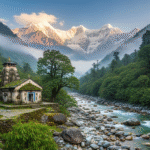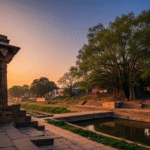
Sambalpur is a mix of history and nature. It draws those who love peace and adventure. The Hirakud Dam’s power and the quiet of the Samaleswari Temple offer unique moments. Every visit brings you closer to its rich culture and beautiful scenery.
Visiting Sambalpur can be magical. From the leaning temple of Huma to the lively Ushakothi Wildlife Sanctuary, each place tells a special story. These stories touch the heart.
Have you felt its cool air in summer? Or joined in its historic festivals? Sambalpur makes memories last. It’s where tradition and beauty come together. Here, you will truly feel the heartbeat of Odisha’s past.
Sambalpur is known for its beauty and history. It’s a top spot for those into Sambalpur tourism. There are so many places to see. Each attraction in Sambalpur has its own story. Learn more about the enchanting Sambalpur.
Key Takeaways
- Sambalpur blends rich cultural heritage with natural beauty seamlessly.
- The Hirakud Dam stands as one of the longest dams in the world.
- Samaleswari Temple remains a major spiritual attraction for visitors.
- Ushakothi Wildlife Sanctuary offers a glimpse into diverse fauna.
- The Huma Temple intrigues with its unique leaning structure.
- Chiplima presents a serene riverside escape with stunning waterfalls.
- Explore various accommodations from luxury to budget stays in Sambalpur.
Introduction to Sambalpur
Sambalpur lies 320 km from Bhubaneswar. It’s known as the gateway to Western Odisha. It has a mix of history and natural beauty. The city’s rich Sambalpur cultural heritage shines in landmarks and traditions.
https://www.youtube.com/watch?v=44M4SOXL4To
It’s named after Goddess Samalai or Samaleswari, a revered Sakti Pitha. Sambalpur blends tradition with the new. Over 500,000 people live here. It covers 6,702 square kilometers.
The weather here varies from 11°C to 47°C. This shows Sambalpur’s diverse geography. Despite hot or cold, it’s a great place to visit. It has mountains, forests, and waterfalls.
The city is famous for Sambalpuri handloom textiles. These are known for detailed designs and unique dyeing. The handloom industry is big here along with farming and other businesses.
Sambalpur’s culture is lively with festivals like Sital Sasthi and Nuakhai. There are special dances and music. These traditions show Sambalpur’s cultural wealth. It’s a great place for cultural tours.
Sambalpur has top schools and is planning a big hospital. The Sambalpur Municipality, started in 1883, runs many projects. They make Sambalpur tourism even better.
People visit for the Hirakud Dam, the world’s biggest earthen dam. Other places to see include the Gudguda Waterfall and Maa Ghanteswari Temple. These places have history and culture.
The city is educated, with an 85.69% literacy rate. Sambalpur is pretty and smart. It honors its history while moving forward. This shows its perfect mix of old and new.
Majestic Hirakud Dam
Located about 15 km from Sambalpur, Hirakud Dam is a big deal. It’s not just a structure. It symbolizes India’s growth after gaining independence. Being the longest earthen dam worldwide, it spans over 25 km. Built in 1957, it helps manage floods, supports farming, and produces hydroelectric power.
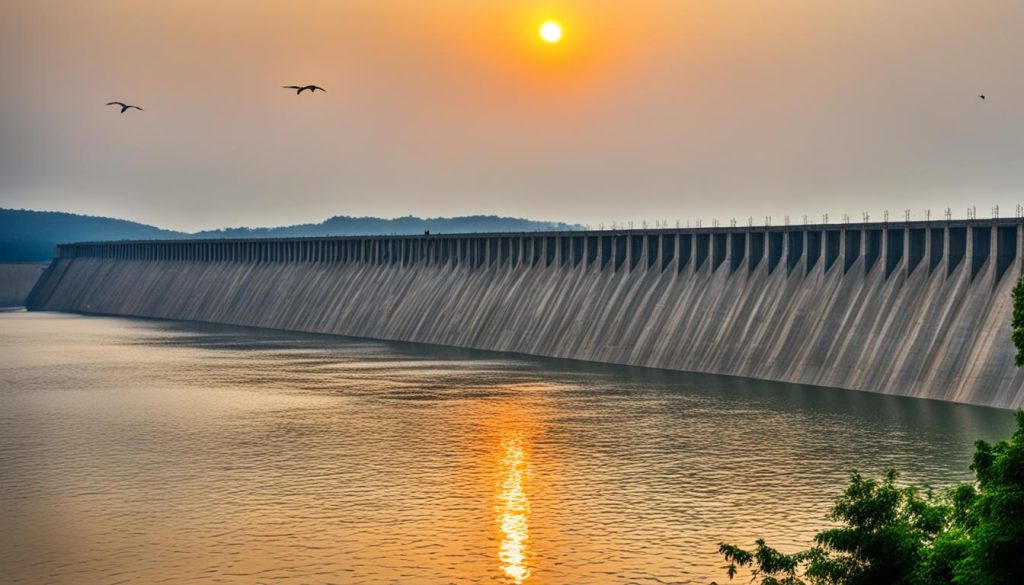
The Hirakud Dam is a top sight in Sambalpur. Behind it, Asia’s biggest artificial lake stretches with a 640 km shoreline. Whether you marvel at the dam’s design or enjoy the view, Sambalpur offers lots to do.
Historical Significance
The Hirakud Dam reflects India’s power in finishing big projects. It drains an area bigger than Sri Lanka twice. The material used could link Kanyakumari to Kashmir and Amritsar to Dibrugarh. It shows how big this project was. Visitors find out its history through various displays.
Visitor Attractions
Hirakud Dam boasts many attractions for visitors. Highlights include the Jawahar Minar and Gandhi Minar. They offer wide views of the dam and the area around. Also, the Hirakud Ropeway provides a bird’s eye view of this wonder.
Visiting the Hirakud Dam is a must-do in Sambalpur for everyone. It’s open daily from 6:00 AM to 6:00 PM, without charge. The dam’s sheer size and the massive reservoir appeal to all.
Near the dam, Sambalpur has more to see, like the Debrigarh Wildlife Sanctuary and Gudguda Waterfall. The sanctuary hosts various animals like elephants and deer. The Gudguda Waterfall, made by the Mahanadi River’s streams, is a peaceful spot for nature fans.
Samaleswari Temple
The Samaleswari Temple is by the beautiful Mahanadi River in Sambalpur. It is very important for spiritual and cultural life. The temple honors Maa Samaleswari, known as Jagatjanani, Adishakti, Mahalaxmi, and Mahasaraswati. People from Sambalpur and nearby places in Odisha and Chhattisgarh visit it a lot.
This temple is very old and full of traditions and rituals. It’s a key spot for visitors in Sambalpur. Every year, lots of people come to feel its peaceful vibe. They also enjoy the local customs that are still alive today.
The temple is at the heart of many festivals and religious events. It brings many people together who want to find peace and happiness. It’s not just a religious place. It also helps the economy and community in Sambalpur. So, visiting the Samaleswari Temple lets you see the real spirit of this historic city.
Tourist Places in Sambalpur
Sambalpur tourism has a mix of culture and nature. It offers unique experiences for everyone. Here are three top places to see in Sambalpur.
Ghanteshwari Temple
The Ghanteshwari Temple is a special spot in Sambalpur. It’s 33 km southwest of the city. This temple is famous for its thousands of bells. Wind makes these bells create lovely sounds.
People call it a lighthouse without light. For the locals, Ghanteshwari Temple is very important. Devotees give bells to the goddess to thank her for granted wishes. This tradition makes the temple a key part of Sambalpur tourism.
Huma Temple
The Huma Temple is another great place in Sambalpur. Known as the Leaning Temple of Huma, it’s 23 km from the city. This Lord Shiva temple has a special design. Its leaning structure is unique.
King Bailar Singh built it. The temple draws visitors, especially during the Sivratri fair. Its Kudo fish make the place even more interesting.
Ushakothi Wildlife Sanctuary
Love nature and wildlife? Then Ushakothi Wildlife Sanctuary is for you. Founded in 1962, it covers 304.03 sq km. It’s 48 km north of Sambalpur.
The sanctuary is home to many animals like tigers, elephants, and leopards. You can also see beautiful plants here. The best time to visit is from October to May. This lets you enjoy Sambalpur’s natural beauty to the fullest.
| Attraction | Distance from Sambalpur | Special Features |
|---|---|---|
| Ghanteshwari Temple | 33 km | Thousands of bells, strong winds |
| Huma Temple | 23 km | Leaning structure, Kudo fish |
| Ushakothi Wildlife Sanctuary | 48 km | Diverse fauna and flora, best visited October-May |
Conclusion
Sambalpur is a special place for travelers. It has historical sites and natural beauty. The Hirakud Dam, built in the 1950s, is the world’s longest earthen dam. The Samaleswari Temple provides deep spiritual experiences. And, the Huma Temple is famous for its leaning structure, like Pisa’s tower.
Tourist spots in Sambalpur are not just about history; they also offer nature and adventure. Places like Ushakothi and Debrigarh Wildlife Sanctuaries are perfect for animal lovers. Waterfalls like Gudguda and Pradhanpat are peaceful spots for relaxation. The area’s handloom and handicrafts, like Sambalpuri Ikat designs, are great for souvenirs.
Sambalpur’s tourism is becoming more about living the local life and caring for the environment. Homestays and community projects are getting popular. The internet helps share Sambalpur’s festivals, like the Sitalsasthi Carnival, with the world. Visiting in cooler months avoids the hot summer and makes the trip more enjoyable. Overall, Sambalpur offers a memorable journey into Odisha’s culture and adventures.
FAQ
What are the main tourist attractions in Sambalpur?
Sambalpur is famous for many must-see places. These include the Hirakud Dam and Samaleswari Temple. It also has Ghanteshwari Temple, Huma Temple, and the Ushakothi Wildlife Sanctuary.
Why is Hirakud Dam significant?
The Hirakud Dam is the longest earthen dam in the world. It was the first big river valley project in India after independence. It helps prevent floods, supports irrigation, and produces hydroelectric power. People also enjoy its beautiful views and interesting sightseeing.
What is the best time to visit Sambalpur?
It’s best to visit Sambalpur from October to March. This avoids the hot summer.
What is the significance of Samaleswari Temple in Sambalpur?
The Samaleswari Temple is devoted to Maa Samaleswari, Sambalpur’s main goddess. It is very important to the local culture and spirit. Lots of visitors come to learn about local traditions and pray.
What unique feature does the Huma Temple have?
The Huma Temple is special because it leans a bit. It’s the Leaning Temple of Huma. Nearby, there are unique Kudo fish.
What can visitors expect at Ushakothi Wildlife Sanctuary?
Ushakothi Wildlife Sanctuary offers an adventure in thick forests. You might see tigers, leopards, and elephants. Bird watchers will also find many interesting birds. It’s perfect for those who love animals and nature.
How can one reach Sambalpur?
Getting to Sambalpur is easy. You can go by air, train, or car.
What are some cultural highlights in Sambalpur?
Sambalpur has lively festivals like Sambalpur Lok Mahotsav and Sital Sasthi. Nuakhai is another big festival. The city is famous for its Sambalpuri saris. They have beautiful patterns and colors.
What is the origin of the name Sambalpur?
Sambalpur was named after the goddess Maa Samalei. She is very important in Odisha. Maa Samalei is also known as Samaleswari, the area’s guardian goddess.
Are there accommodations available in Sambalpur?
Yes, there are many places to stay in Sambalpur. You can find OYO hotels, budget-friendly hotels, and even 5-star hotels. There’s something for every budget.