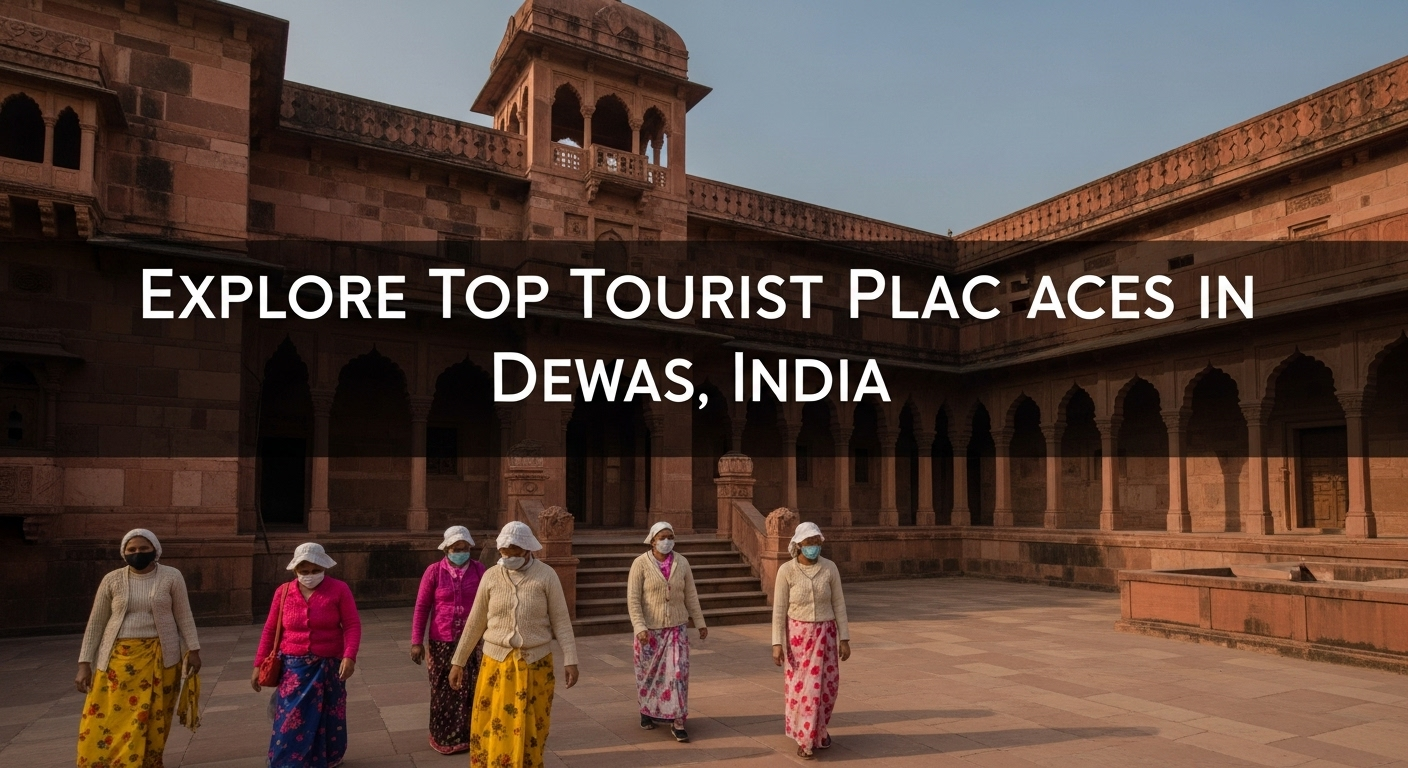
Imagine a place where history is alive in old temples. The air is full of nature’s quiet beauty. Every corner has a new story for you. Dewas, in the heart of Madhya Pradesh, is that place. It’s a small city with a big heart. Here, old culture and new wonders meet.
The Khivni Sanctuary and Meetha Talab are magical spots in Dewas. The city has a long history, starting in the 18th century. It invites you to walk its old paths. With each step, you get closer to its rich culture and past.
Key Takeaways
- Dewas offers an unparalleled blend of natural beauty and cultural heritage.
- The city is home to top-rated tourist spots like Khivni Sanctuary and Meetha Talab.
- Dewas’s historical roots date back to its founding by the Puar clan in the 18th century.
- Excellent connectivity makes it an accessible destination for travelers.
- Popular attractions include sacred temples on Dewas Tekri and the majestic Pawar Chattries.
Discover the Natural Beauty of Dewas
The city of Dewas is full of natural beauty. It has a wildlife sanctuary and waterfalls. These spots are perfect for travelers and nature lovers. They offer a chance to see beauty and peace.
Khivni Sanctuary: A Wildlife Paradise
Khivni Sanctuary was set up in 1955. It is a big part of Dewas’s tourism. The sanctuary has teak and bamboo forests. It is home to many animals.
Here, you can see chitals, sambars, and barking deer. Bird watchers will love it too. It is a top place to visit in Dewas.
Khivni Sanctuary is also a spiritual place. It has the Bal-Ganga river and an old Shiv temple. This makes it even more special to visit.
Gidya Khoh: A Scenic Waterfall Abode
Gidya Khoh is a stunning waterfall in Dewas. It drops from over 600 feet. The area around it is green and beautiful. It looks amazing, especially in the rainy season. It is one of Dewas’s best spots.
This place is also important for its spiritual value. Local tribes honor Khudel Devta here. The calm around the temples and rivers make it more inviting. It offers a lasting impression for visitors.
Exploring the Historic Spots in Dewas
Dewas is full of history waiting to be explored. The Pawar Chattries near Meetha Talab are awe-inspiring. They tell tales of the Maratha era’s might and grandeur.
The city’s sights share stories of the Puar brothers who founded Dewas. They started Dewas Senior and Dewas Junior in the 18th century. Each area shows its own piece of history through landmarks.
Kila Kothi is a fort that amazes with its architecture. It’s a key historic site in Dewas. Also, the Dewas Rajwada showcases the Maratha’s architectural brilliance, adding to the city’s historic feel.
Dewas is dotted with places worth seeing. The Chamunda Hills offer great views and spots for trekking and picnicking. The Dewas Museum has a wide collection of artifacts, connecting visitors with past glories.
Religious Destinations in Dewas
Dewas is known for more than its industries. It has a rich spiritual history too. There are many religious sites in Dewas worth seeing. Check out these spots at spiritual journeys Dewas.

Chamunda Tekri: The Sacred Hill
Chamunda Tekri stands over 300 feet tall. It’s also called “The Residence of the Goddess.” Here, you can find temples for Chamunda Mata and Tulja Bhavani. The view from up top is amazing. It’s a great place for the soul.
Mahakaleshwar Bilawali Temple: The Growing Shivling
This temple is just 3 km north of Dewas. Its Shivling grows over time. Many devotees come here, especially during Maha Shivratri. It is a big religious site in Dewas. People come to seek blessings.
Kela Devi Temple: The Largest in Madhya Pradesh
The Kela Devi Temple is important in Dewas. It has a 51-foot Lord Hanuman statue. The temple, built in 1995, displays beautiful South Indian art. It’s very busy during Chaitra Navratri. It’s a key spot for those on spiritual journeys Dewas.
| Temple Name | Unique Feature | Annual Event |
|---|---|---|
| Chamunda Tekri | Over 300 feet high | Regular Worship |
| Mahakaleshwar Bilawali Temple | Growing Shivling | Maha Shivratri Celebrations |
| Kela Devi Temple | 51-foot Hanuman Statue | Chaitra Navratri Festival |
These temples are very important to Dewas. They bring many pilgrims to the city. These religious sites in Dewas show the area’s spiritual side. They welcome everyone to experience spiritual journeys Dewas offers.
tourist places in Dewas
Embark on a journey to see Dewas’ treasures. It reveals the city’s history and natural beauty.
Pawar Chattries: Architectural Marvel
Near the calm Meetha Talab, Pawar Chattries show off Maratha architecture’s splendor. These old buildings attract many to Dewas. They marvel at the detailed carvings and royal past. Dewas, 150 km from Bhopal, offers a deep dive into culture and history.
Kavadia Hills: The Eighth Wonder
The Kavadia Hills are often called the Eighth Wonder. They have amazing stone pillars in different shapes. These hills pull in geologists and curious travelers. Legends say Bheem’s epic strength created them, while science points to volcanic activity. These sites are a must-see for both legend and adventure lovers.
| Place | Attraction | Distance from Dewas | Visitor Information |
|---|---|---|---|
| Pawar Chattries | Maratha Architecture | Near Meetha Talab | Free Entry |
| Kavadia Hills | Stone Pillar Formations | Approx. 20 km | Free Entry |
Conclusion
Dewas is a hidden treasure in central India. It’s located at 22°58′N 76°04′E. The city has history, nature, and spiritual places that dazzle visitors.
Its area is 50 km² with around 289,550 people living there. Tourists love the natural spots like Khivni sanctuary and Gidya Khoh waterfall. They attract both nature buffs and thrill-seekers.
The city’s heritage is fascinating. There are historic sites and grand buildings like Pawar Chattries. Places such as Chamunda Tekri and Mahakaleshwar Bilawali Temple show its spiritual and cultural depth.
Looking for places to see in Dewas? There’s a lot. Meetha Talab lake offers boating. The lake near Jamgod is linked to the tale of King Nal and Queen Damayanti.
The area’s hills are home to wildlife like the Indian fox and Bar-headed Goose. This makes Dewas a haven for nature lovers.
Besides natural beauty, Dewas is known for its industry. Companies like Tata International and Eicher Motors are here. Dewas is called the Soy Capital of India.
It uses reservoirs like Raninal Talab for water. With stunning nature, deep history, and strong industry, Dewas is a must-see. It’s a key part of any Dewas travel guide.
FAQ
What are the best places to visit in Dewas?
In Dewas, you must see Khivni Sanctuary, Gidya Khoh, Pawar Chattries, and Chamunda Tekri.
What are the top tourist attractions in Dewas?
Visit Chamunda Tekri, Mahakaleshwar Bilawali Temple, Gidya Khoh waterfall, and the Pawar Chattries. They’re amazing!
Can you tell me more about Khivni Sanctuary?
Khivni Sanctuary is a wildlife paradise founded in 1955. It’s full of teak and bamboo. You’ll find chitals, sambars, and barking deers. It’s perfect for nature lovers and bird watchers.
What makes Gidya Khoh a must-see place in Dewas?
Gidya Khoh is an amazing waterfall falling over 600 feet. It’s surrounded by beautiful greenery. It’s even more stunning during the monsoon and has religious importance too.
What historic places should I explore in Dewas?
You should explore the Pawar Chattries showing the Maratha era’s glory. Also, visit important 18th-century Maratha monuments.
What religious sites are significant in Dewas?
Important religious sites include Chamunda Tekri with its temples. There’s also Mahakaleshwar Bilawali Temple with a unique Shivling. And Kela Devi Temple, the biggest in Madhya Pradesh.
What can tourists expect to see at the Chamunda Tekri?
At Chamunda Tekri, tourists will see amazing temples. They are on a hill over 300 feet high. You get great views of Dewas from there.
Why is the Mahakaleshwar Bilawali Temple special?
The Mahakaleshwar Bilawali Temple’s Shivling grows every year. It’s central to Maha Shivratri festivities.
What makes Kavadia Hills a unique tourist spot?
Kavadia Hills is called the “Eighth Wonder” because of its stone pillars. Legends link them to Bheem of the Mahabharata. Scientists think they’re volcanic.